• Services
  • Work
  • Team
  • Contact
Menu

décanteur media

Street Address
City, State, Zip
Phone Number

Your Custom Text Here

décanteur media

  • Services
  • Work
  • Team
  • Contact

bonne année et le plateau de fromages parfait

January 3, 2014 Stephanie Christofferson
IMG_5896.jpg

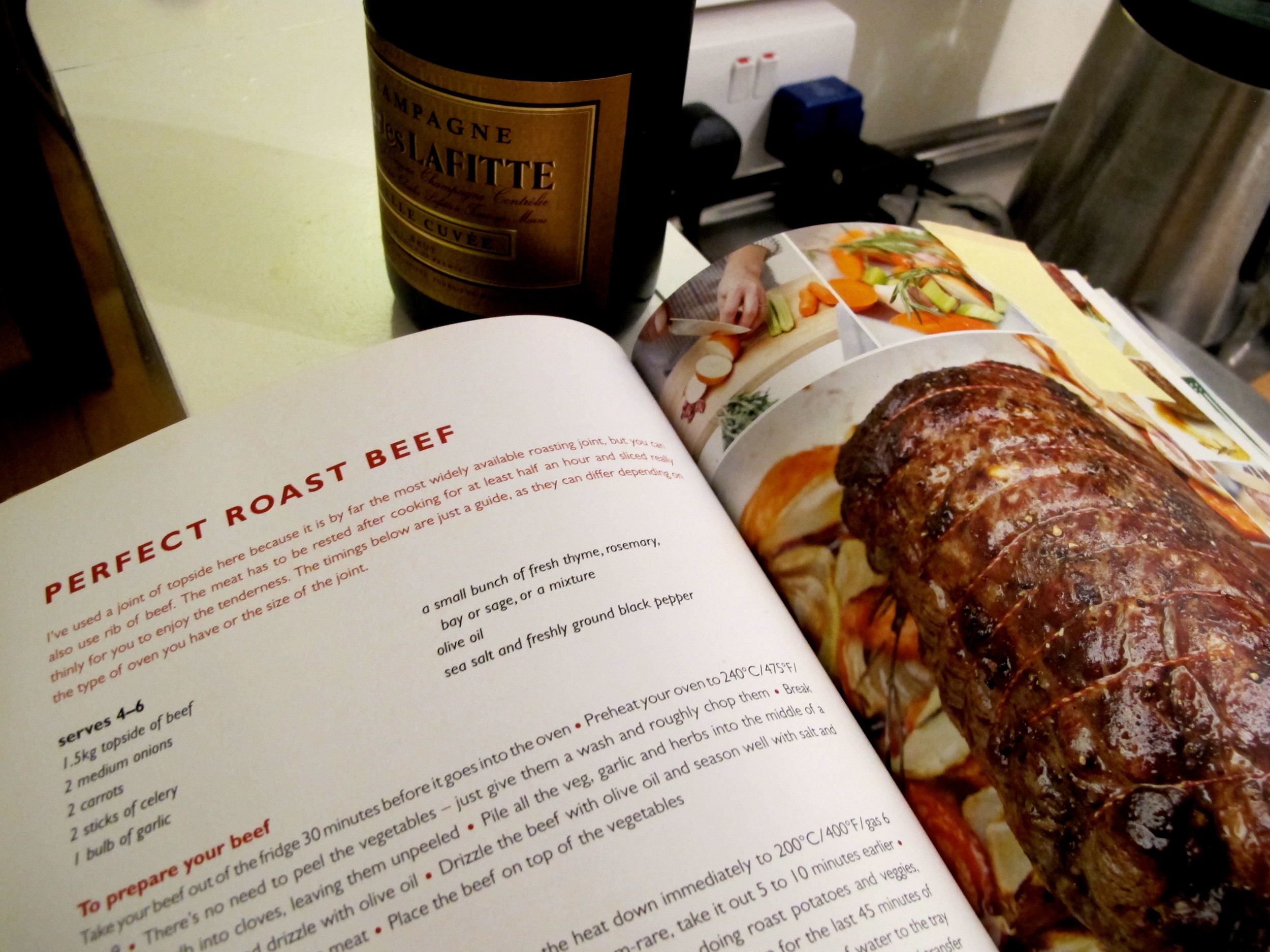
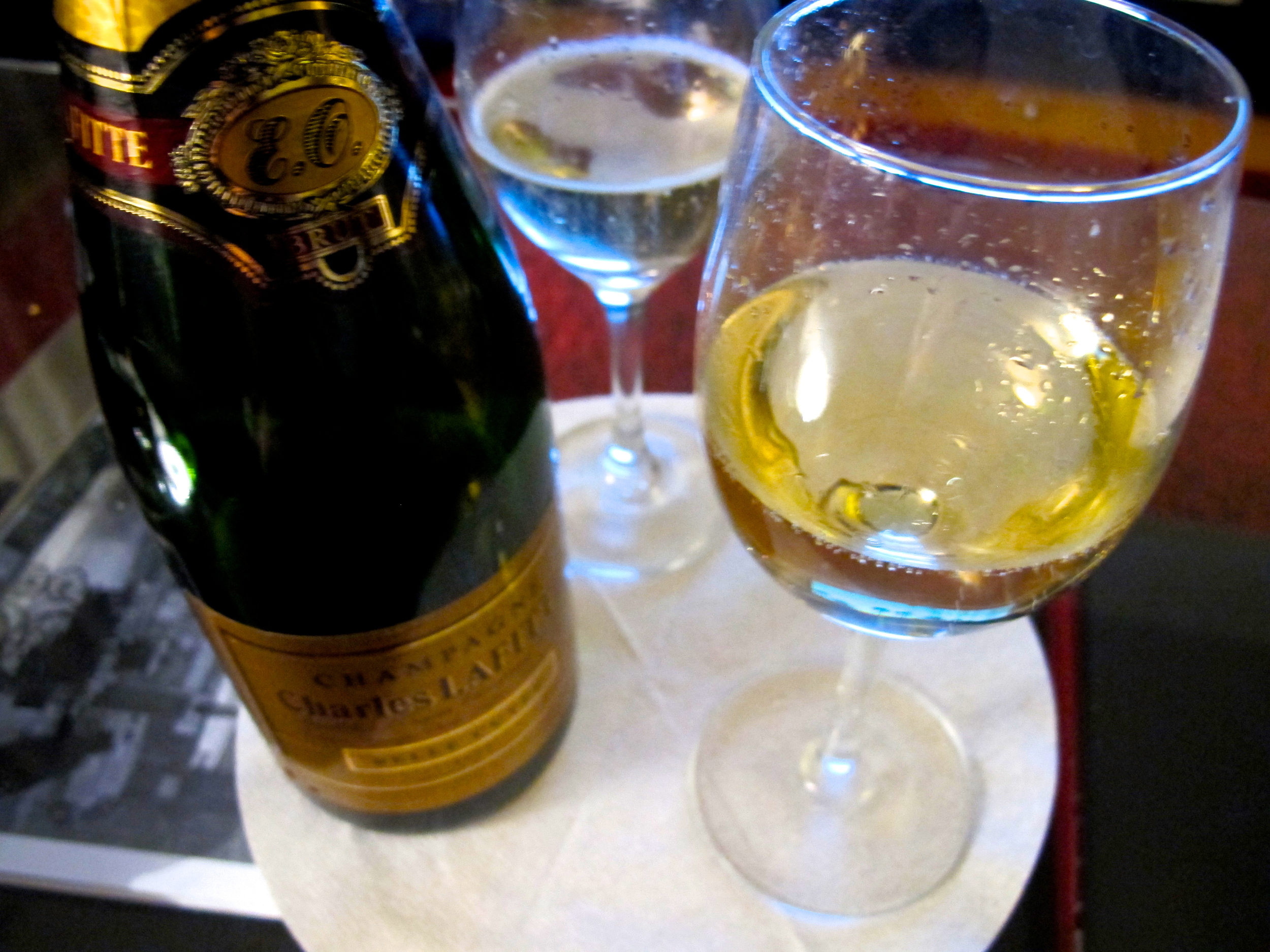
 I rang in the New Year at a French dinner party overlooking the Seine, hosted by Tom's teammate's girlfriend. It was really an international party - a handful of French, a Brazilian, a couple Argentinians, a Dominican, and then us two Americans - but the experience and the food was one hundred percent authentic French. It really was one of the classiest, most wonderful dinner parties I've been to, especially considering the last four years of my life have been spent amidst college athletes and themed keg parties. For hors d'oeuvres we had guacamole, made by one of the Argentinians who is training to be a professional chef, with chips and an apéritif (pre-dinner drink) of mojitos served in a punch bowl. After about an hour of dancing around language barriers, we moved to the beautifully-set table for our first course: foie gras (what else?) served with toast, a small salad, and a sweet wine. Next came smoked salmon and a dill lemon bechamel sauce with a drier white, also served with a small salad. At this point we had to take a break to pop open some champagne and celebrate the New Year - yes, our dinner started at 10:30 and had progressed forward only two courses before 2014 began. But it was a wonderful way to enjoy company and food, decidedly better than the "American way" of loading your plate and stuffing your face. After the toast, we returned to our seats for roast goose with a beautiful red wine gravy and roasted vegetables, paired with a 2001 and a 2005 Bordeaux, courtesy of Tom's French teammate's father as a Christmas gift. The wine was one of the highlights of the meal, and of my wine-drinking life. Thanks to my wine-loving father, I've had my fair share of aged bottles, the best being a 1981 Opus One. But I didn't think I was going to get a chance to have aged French wine while still in Paris, and was infinitely grateful that Jeremie chose to share this beautiful bottle with a handful of foreigners he had known only a few months. Finally came the cheese plate, perhaps one of the most important courses in French dining. Eating cheese as dessert is one of my favorite French customs (and they're not missing out on the sweets since most of them have some sort of baked delicacy for breakfast, or with lunch). There was roquefort, camembert, mimolette, chevre, ossau iraty (sheep's milk cheese), delice de bourgogne (triple cream cheese), comté, and maybe one or two others. After this impressive display of French artisanal cheese traditions we took a coffee break, and then returned to drinking with a digestif of mint and vodka. 

The French food tradition is one of finesse, enjoyment, and attention to detail and quality. France has a deep and storied history of artisanal food production, which makes your average home cook a bit more qualified than many from other countries. The standard is set so high for becoming a professional in France partly because their social history has provided them with a standard of excellence in the kitchen at home as a natural part of growing up. it is woven into their DNA. This amazing dinner party with such wonderfully prepared food, better than many restaurants I've eaten at in the States, was probably nothing too out of the ordinary for them on a holiday. The tradition of inviting friends over, cooking an extravagant meal for them, and then enjoying food and drink is one that I hope to bring back to the States with me. And the first thing I want to bring back is my increased knowledge of constructing cheese plates, so here I have written down a collection of simple notes on what I've learned from my fromage adventures while in Paris:

Constructing a Cheese Plate Worthy of France:

1. Logistics

Cheese plates should consist of 3-10 cheeses of different textures, types, and flavors, and served at room temperature.

2. Texture

A good mix of textures allows the flavors to distinguish themselves. The official cheese texture scale includes four categories:  soft, semi-soft, semi-firm, and firm. Your spread should reflect this spectrum and include a graduation from soft to firm. Soft cheeses often have a rind and are spreadable, like Camembert or Brie. Semi-soft cheese can hold its form without a rind (though may still have the rind intact for flavor) but is still spreadable - Mozzarella, young Gouda, and your typical crumbly blue cheese are examples. Semi-firm cheeses are often aged and can stand without the support of a cracker or toast, such as Gruyère de comté, swiss, or raclette. And firm cheeses are those that are quite aged and may crumble when cut, often used for grating over foods - think parmesan, asiago, mimolette. Texture is easy - all you have to do is pick up the cheese in the store and give it a squeeze to see which category it falls under.

3. Flavor

Officially, there are 16 flavors of cheese. If you're really interested in becoming a cheese snob, this infographic by Sean Seidell gives a detailed look at the flavors and where common cheeses fall on the scale. And although I appreciate the existence of "pineapple" in cheese flavor descriptors, I don't quite know really what it is, so I'm going to stick with my dumbed-down version for the typical amateur cook and entertainer: sharp, sweet, strong, and mild. Including a flavor variety makes your cheese plate more interesting and also fills you up more so you don't overdo it. For a sharp cheese, a parmesan or mimolette would work. A sweet cheese would be something like brie, chevre, or a cream-based cheese. Strong cheeses include blue cheese or camembert, and mild cheeses include young gouda, swiss, and mozzarella.

4. Type

Different animals will mean slight but distinct flavor variations in cheese, which is why it is good to have a variety of cheeses from sheep, goats, and cows.

Pictured above is my almost ideal French cheese plate (although I would add mimolette to this one). The top left is Trou du Cru, a soft and very strong cow's milk cheese. Top right is Pur Brebis, a firm and sweet sheep's milk cheese. Below those is Morbier, a mild and semi-soft cow's milk cheese. To the right of that is the classic Crottin de Chevré, a mild and sweet goat cheese, and in the bottom left is Bleu d'Auvergne, a strong cow's milk cheese. Of course this plate is missing a sharp cheese, which I would have added with the mimolette, but it still has a generally good range of all the flavors, textures, and types. We served it after a dinner of cured pancetta, smoked salmon, foie gras, and salad along with sliced baguette toasts. Voilá! French cheese plate accomplished. When I return home, I'm going to be hunting the pile of imported cheeses at Whole Foods to find some mimolette, roquefort, comté, and chevre to mix in with my favorite Bay Area artisanal cheeses.
In Food Tags cheese, fromage, france, paris, party, dinner party, new years, bonne année, celebration, travel
2 Comments

Christmas in London

December 30, 2013 Stephanie Christofferson
IMG_5368.JPG
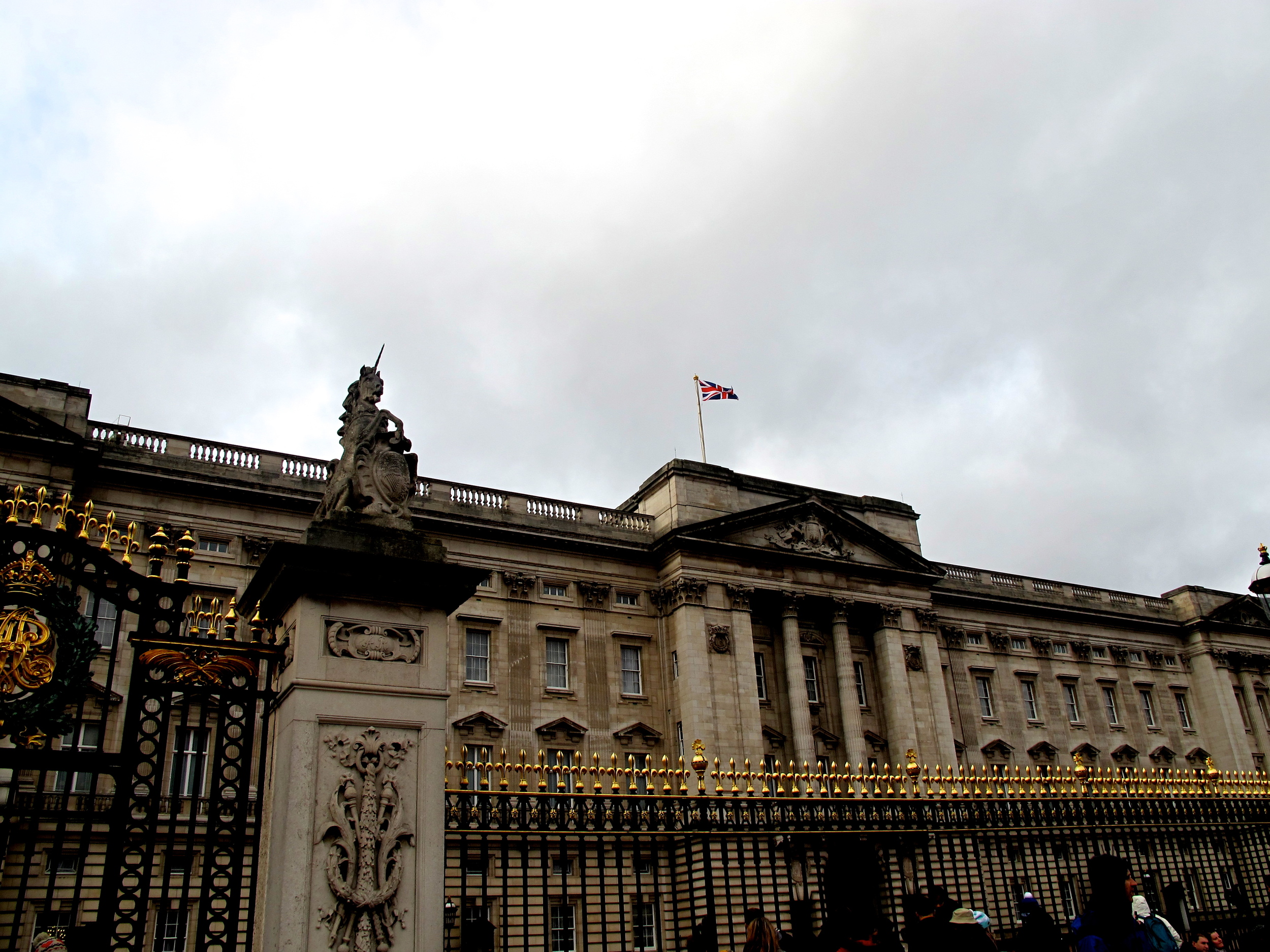
Buckingham Palace
Buckingham Palace
IMG_5082.JPG
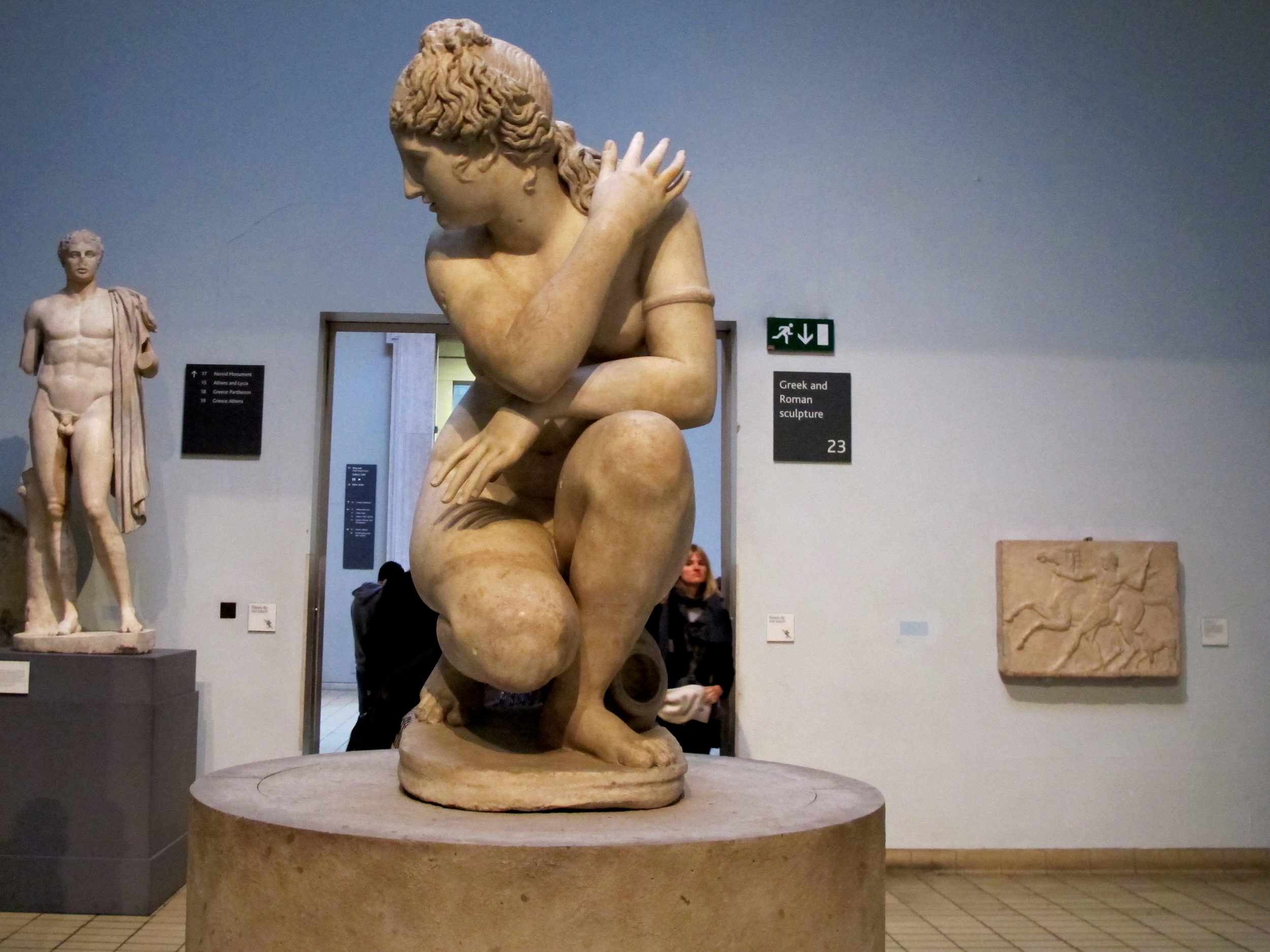
Aphrodite at the British Museum
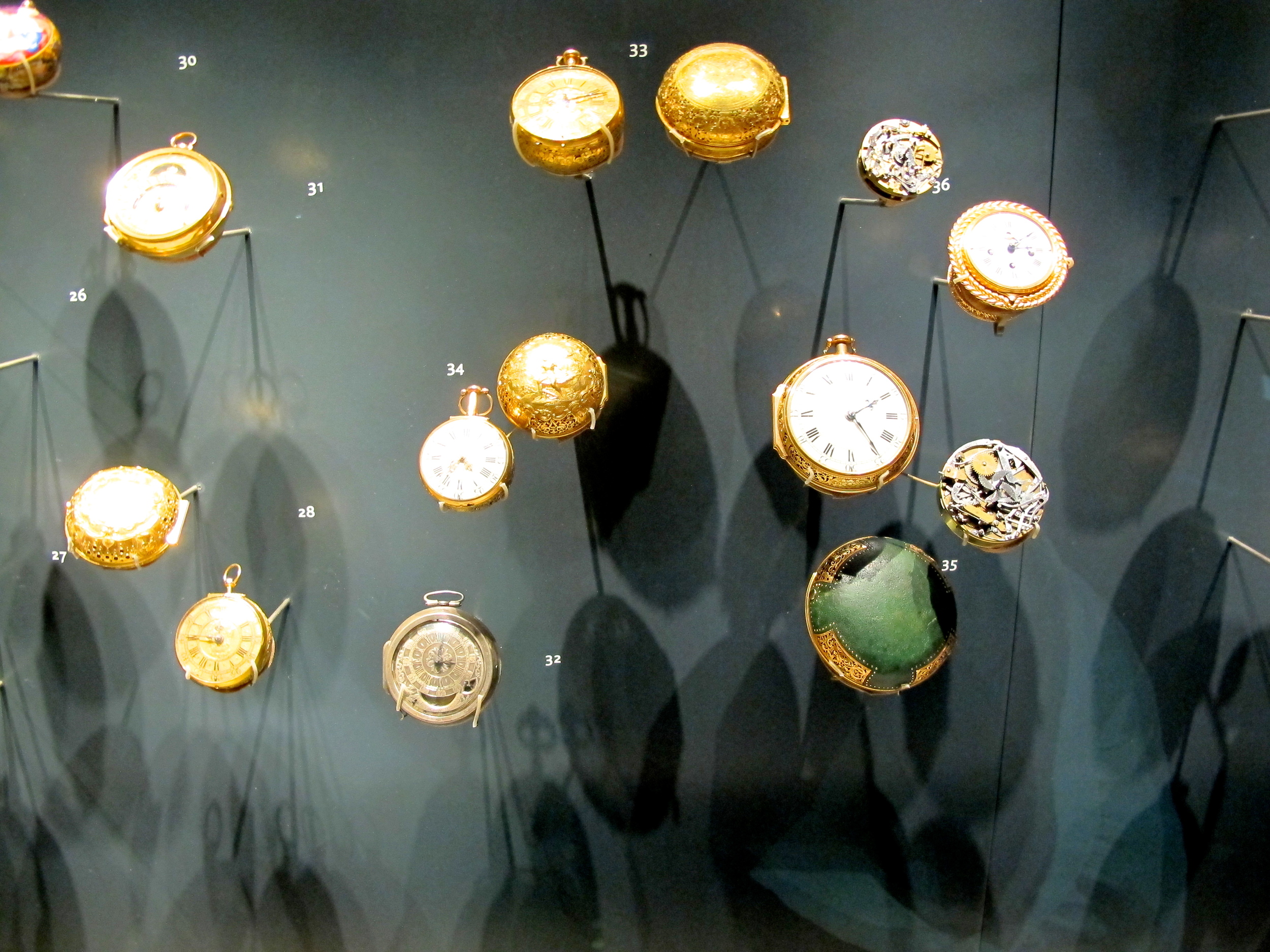
A History of Time, British Museum
IMG_5213.JPG
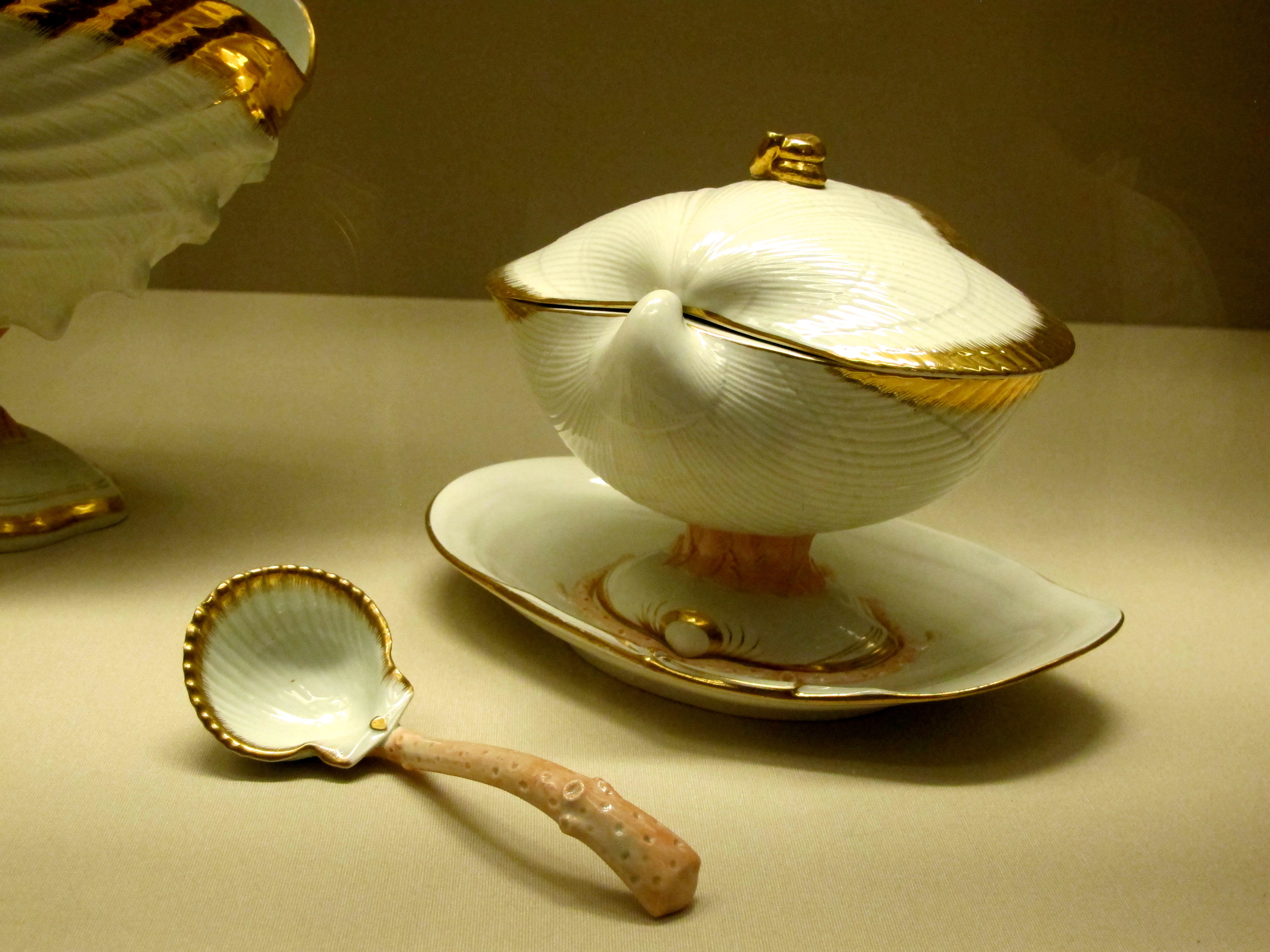
Bvlgari, British Museum
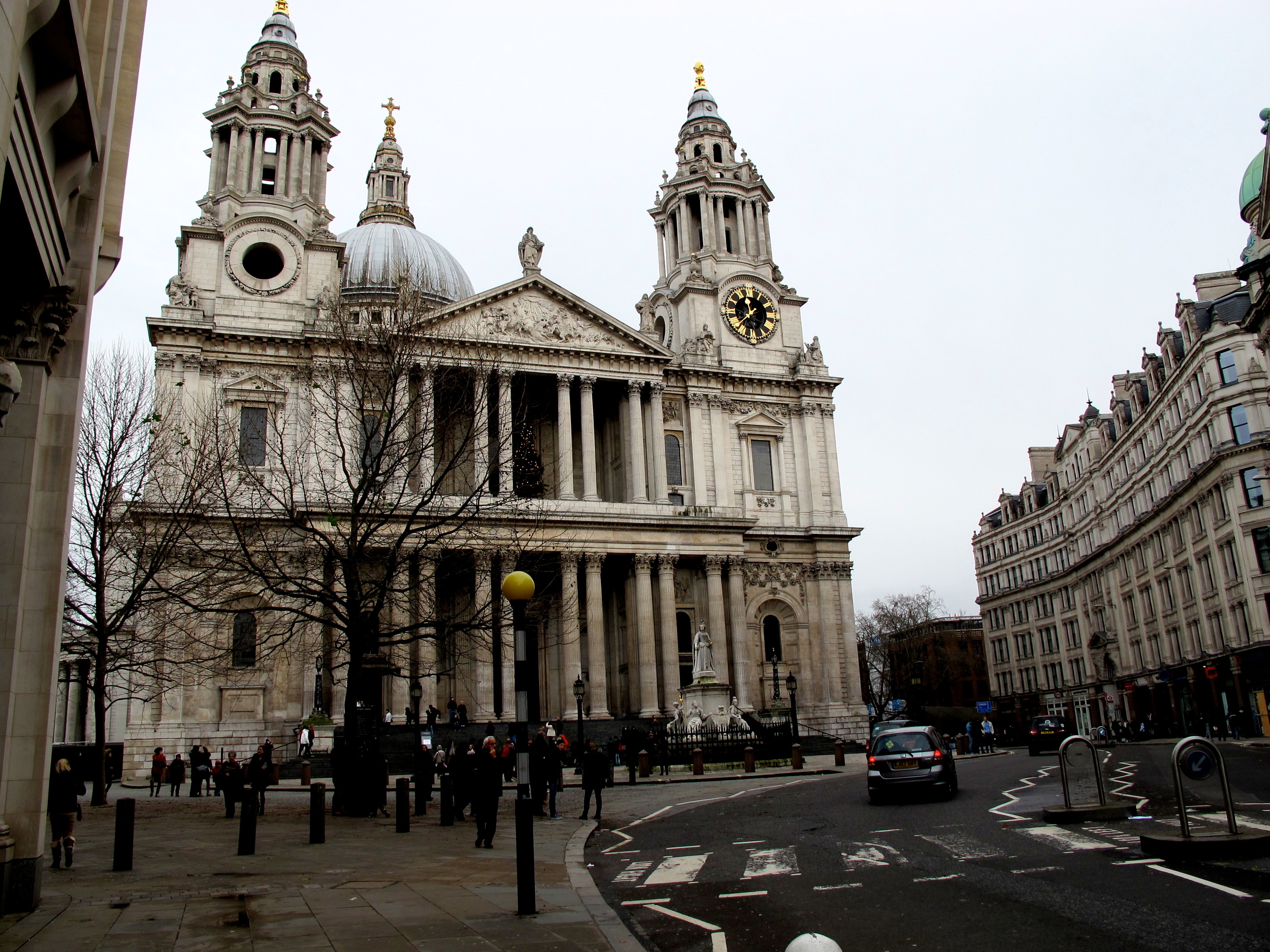
St. Paul's Cathedral
IMG_5239.JPG
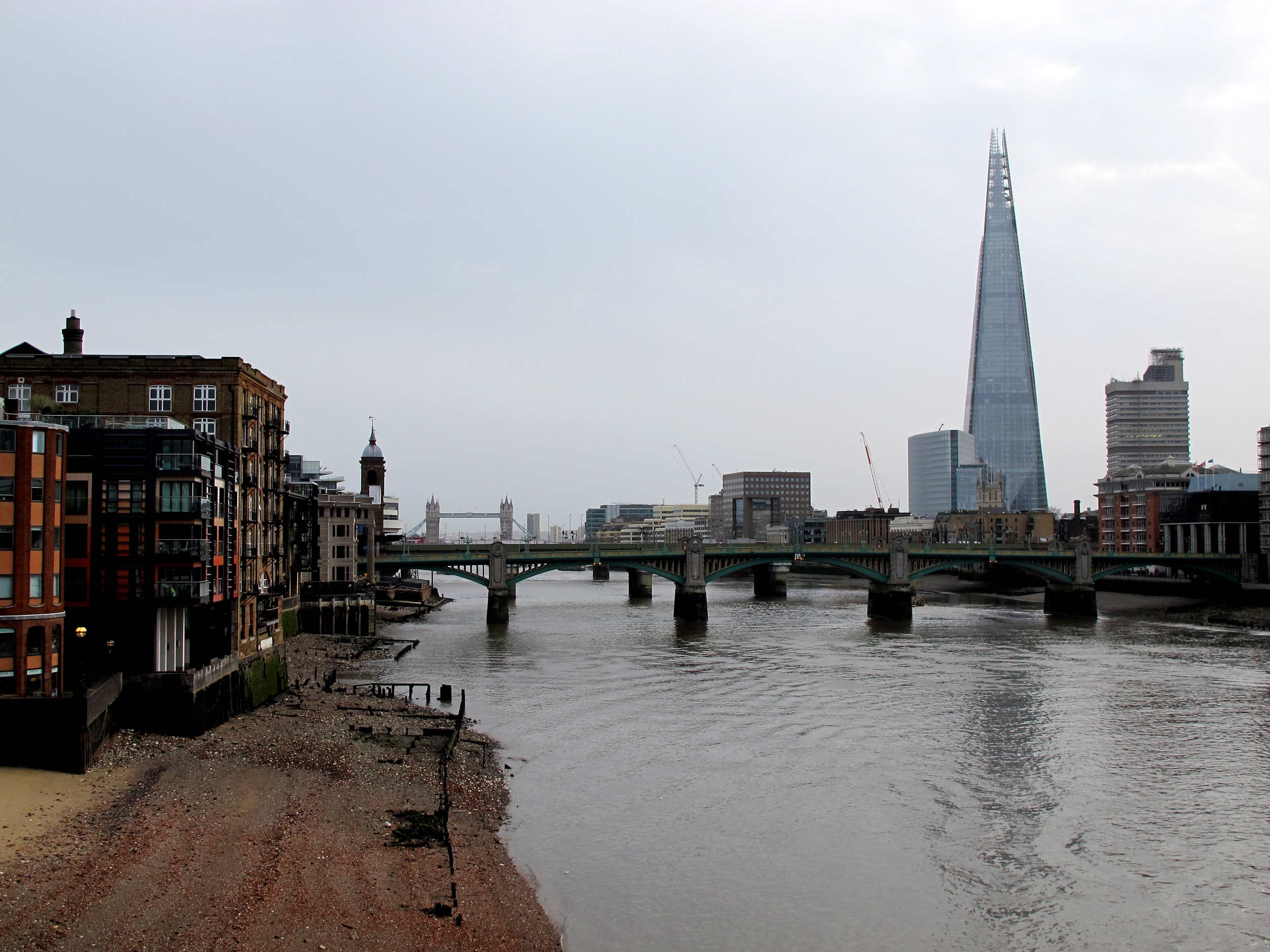
The Thames
The Thames
Fish at Borough Market
Tower Bridge
Tower Bridge
Menagerie at Tower of London
London Eye
London Eye
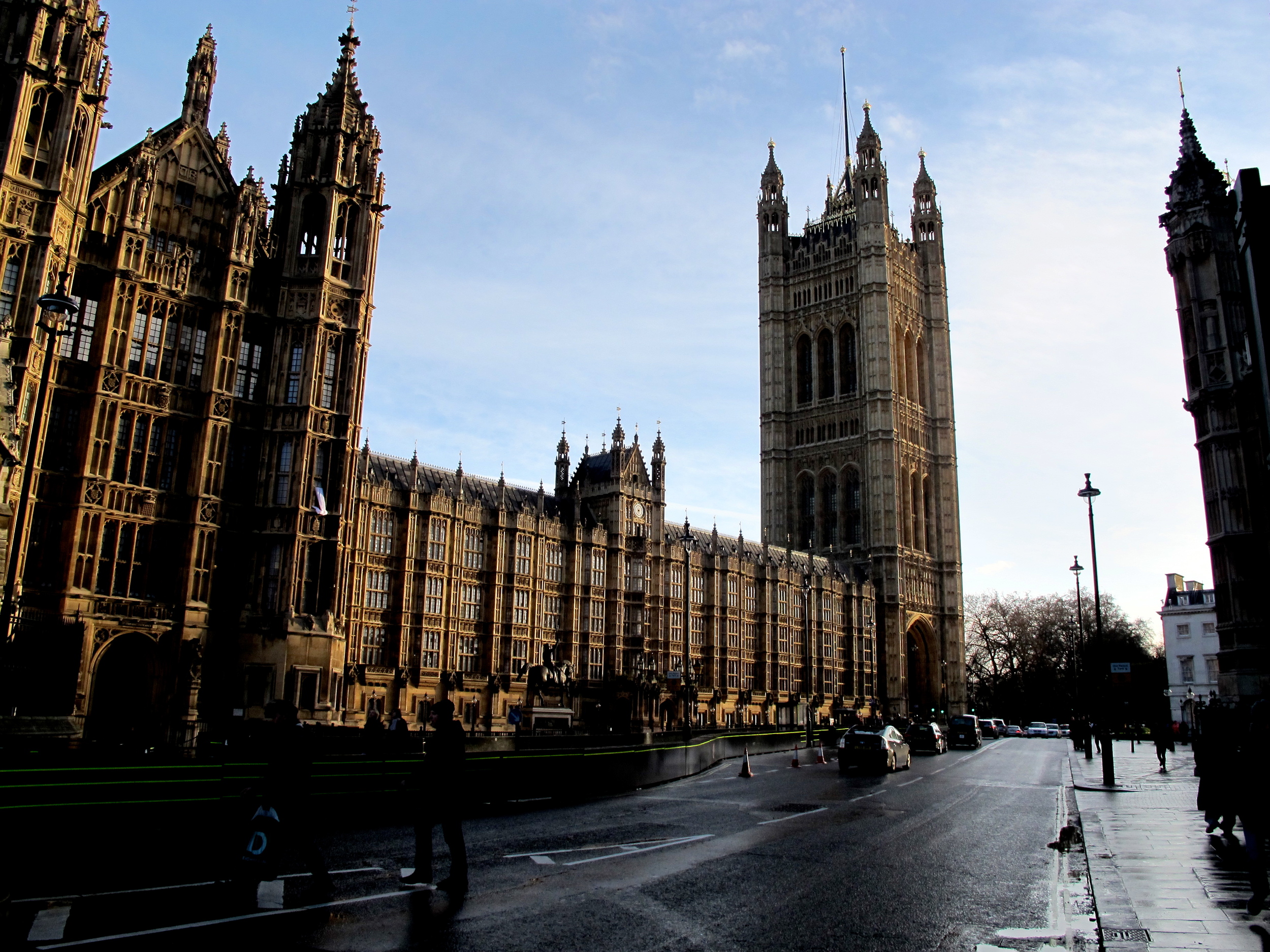
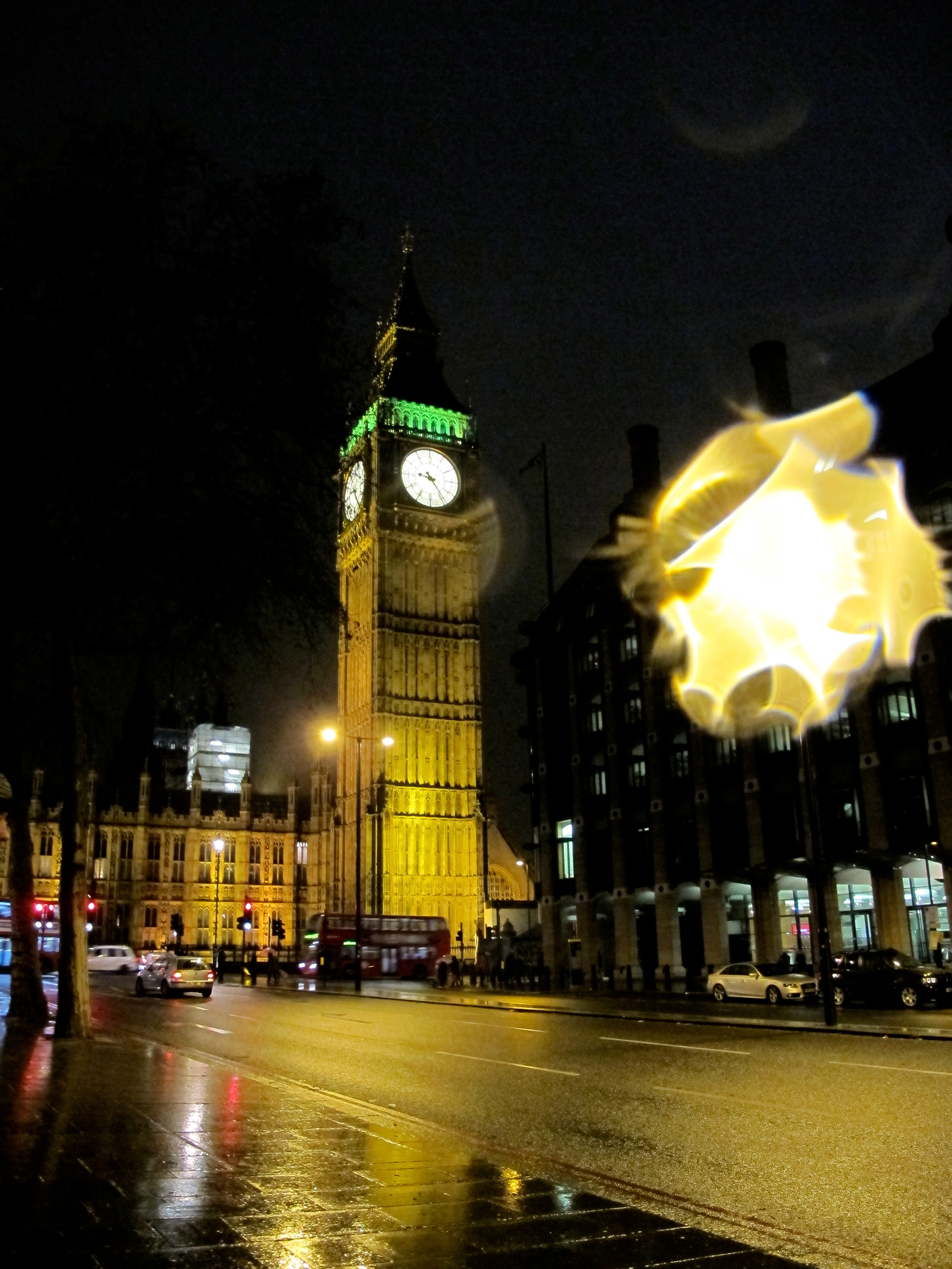
Houses of Parliament
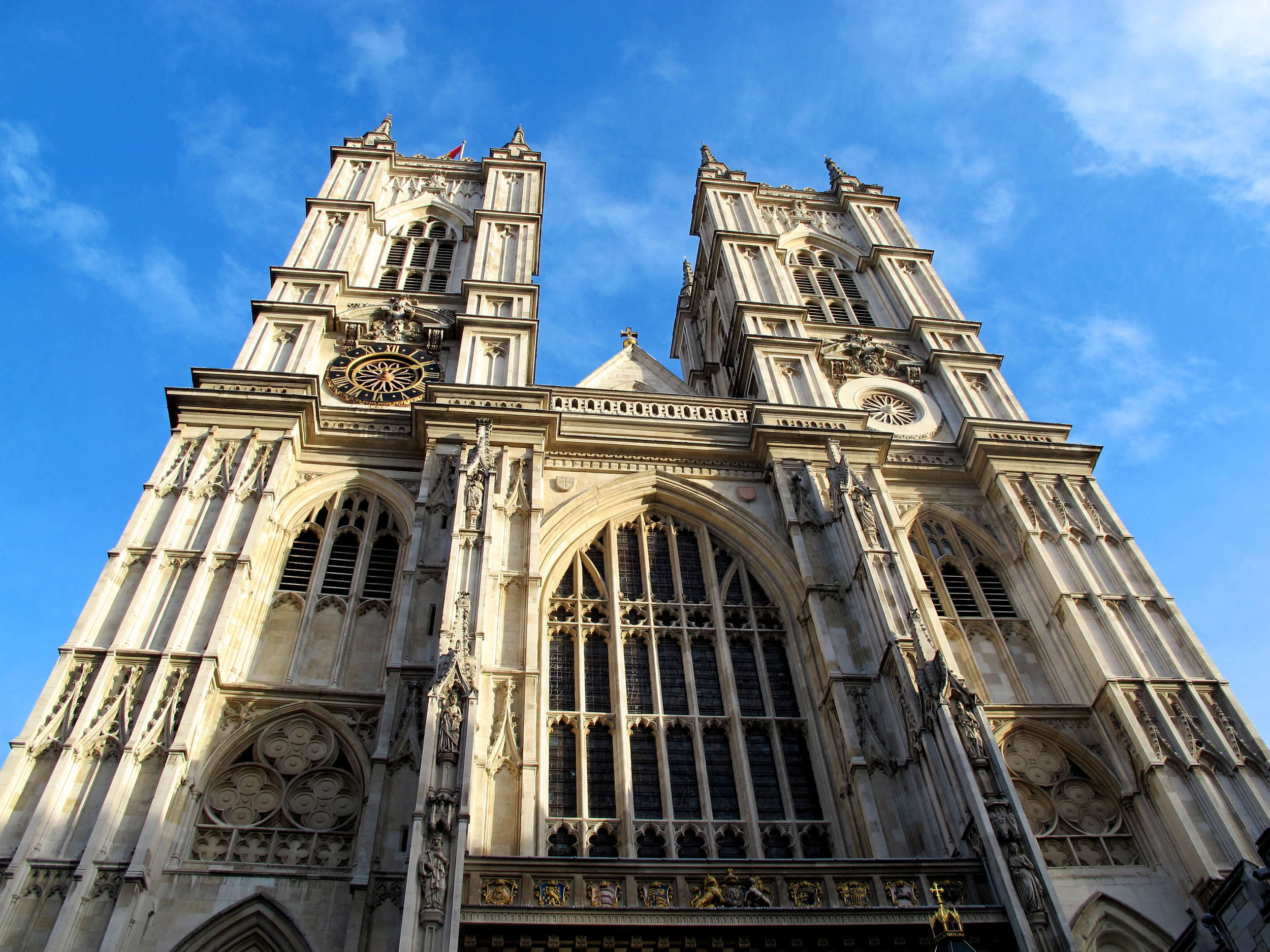
Westminster Abbey
Westminster Abbey
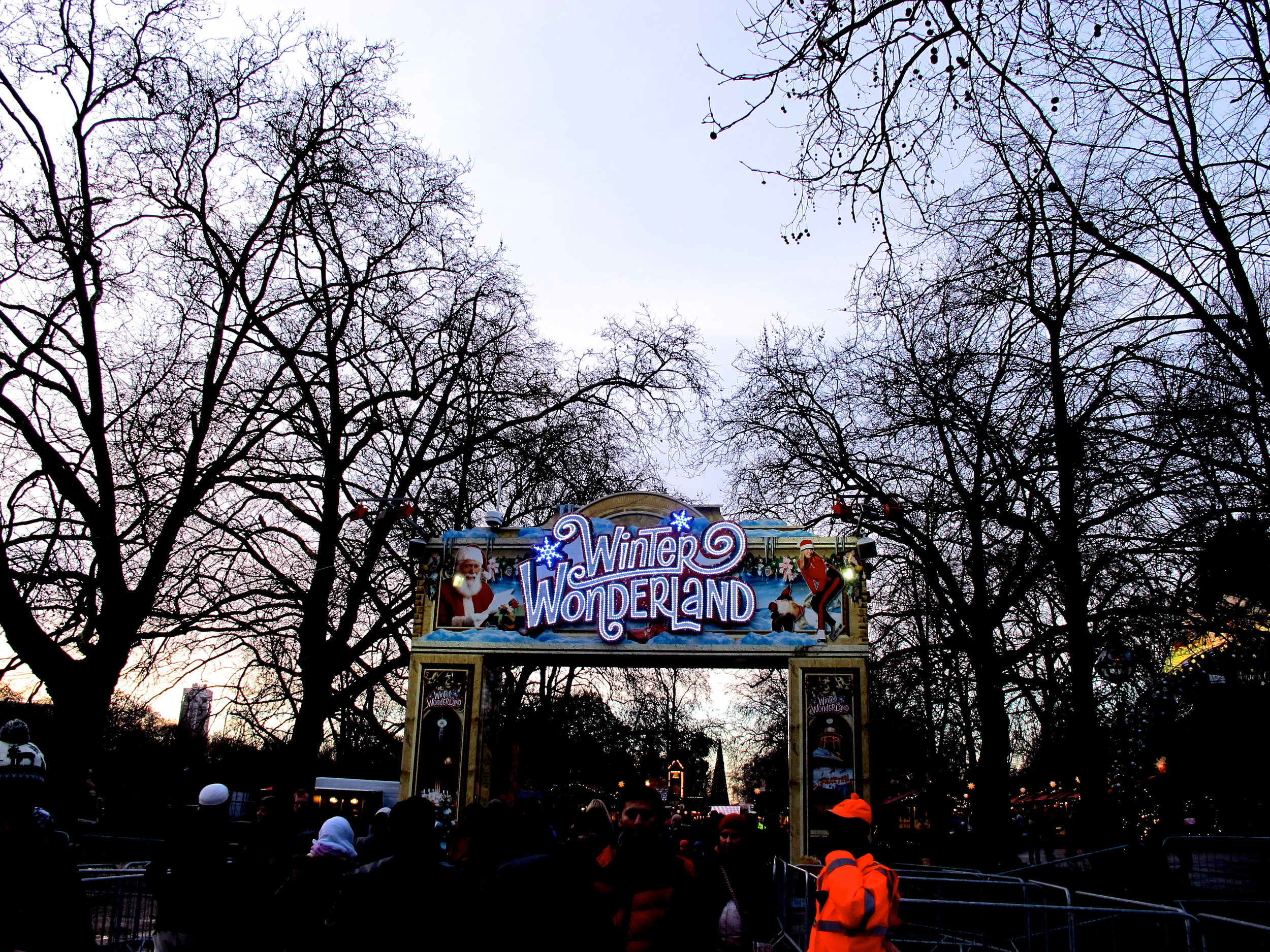
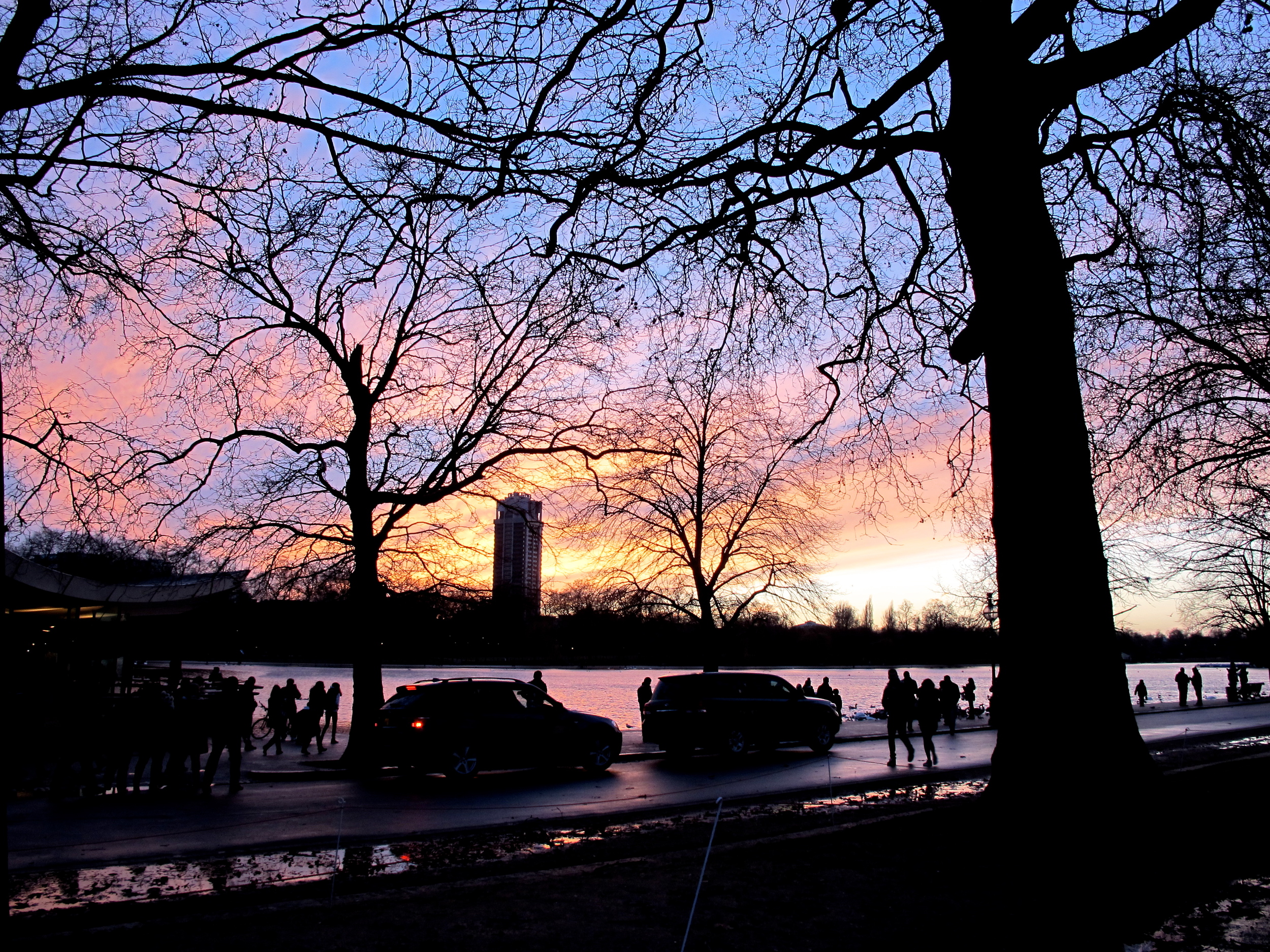
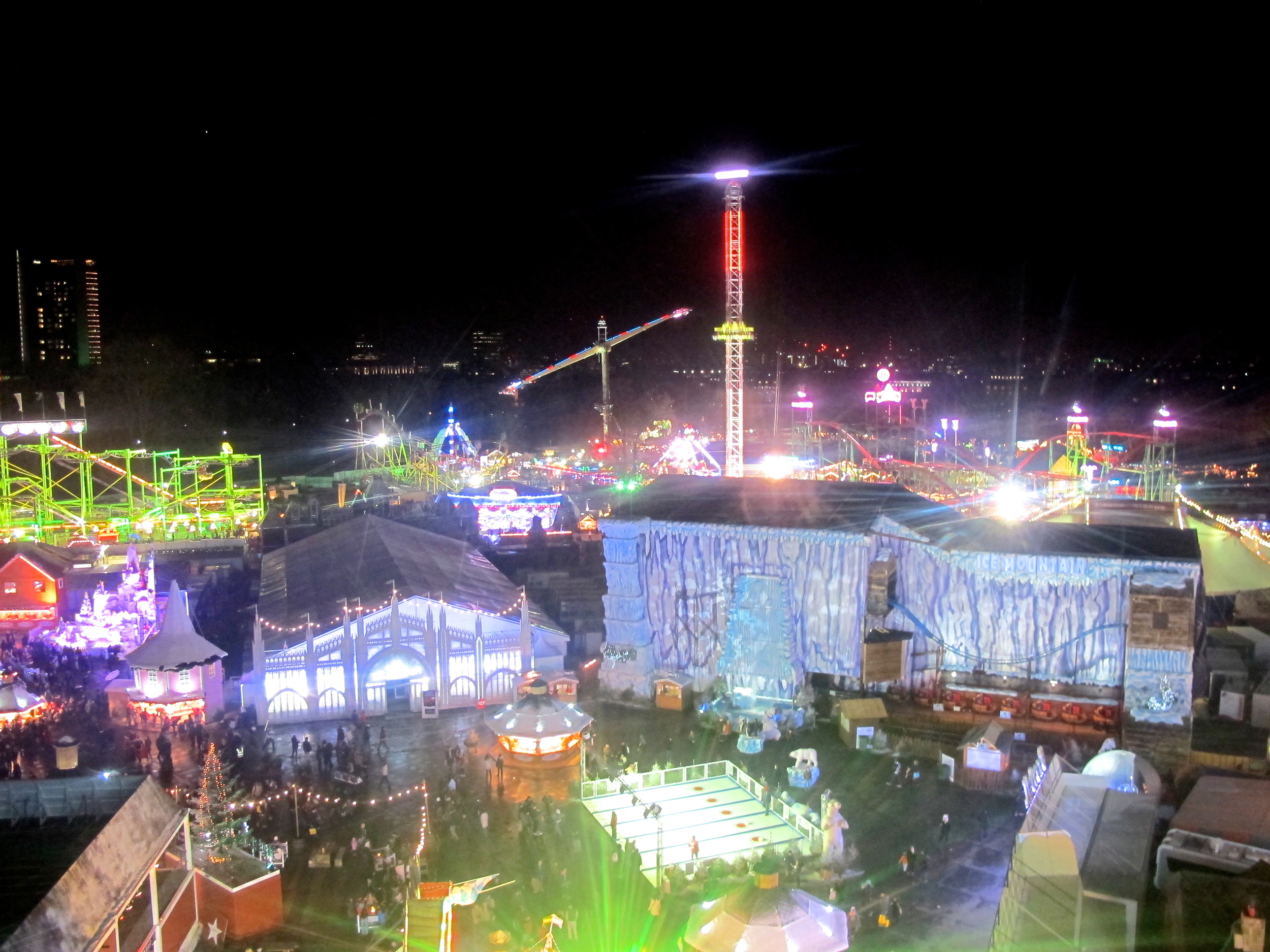
Winter Wonderland at Hyde Park
IMG_5455.JPG
IMG_5403.JPG
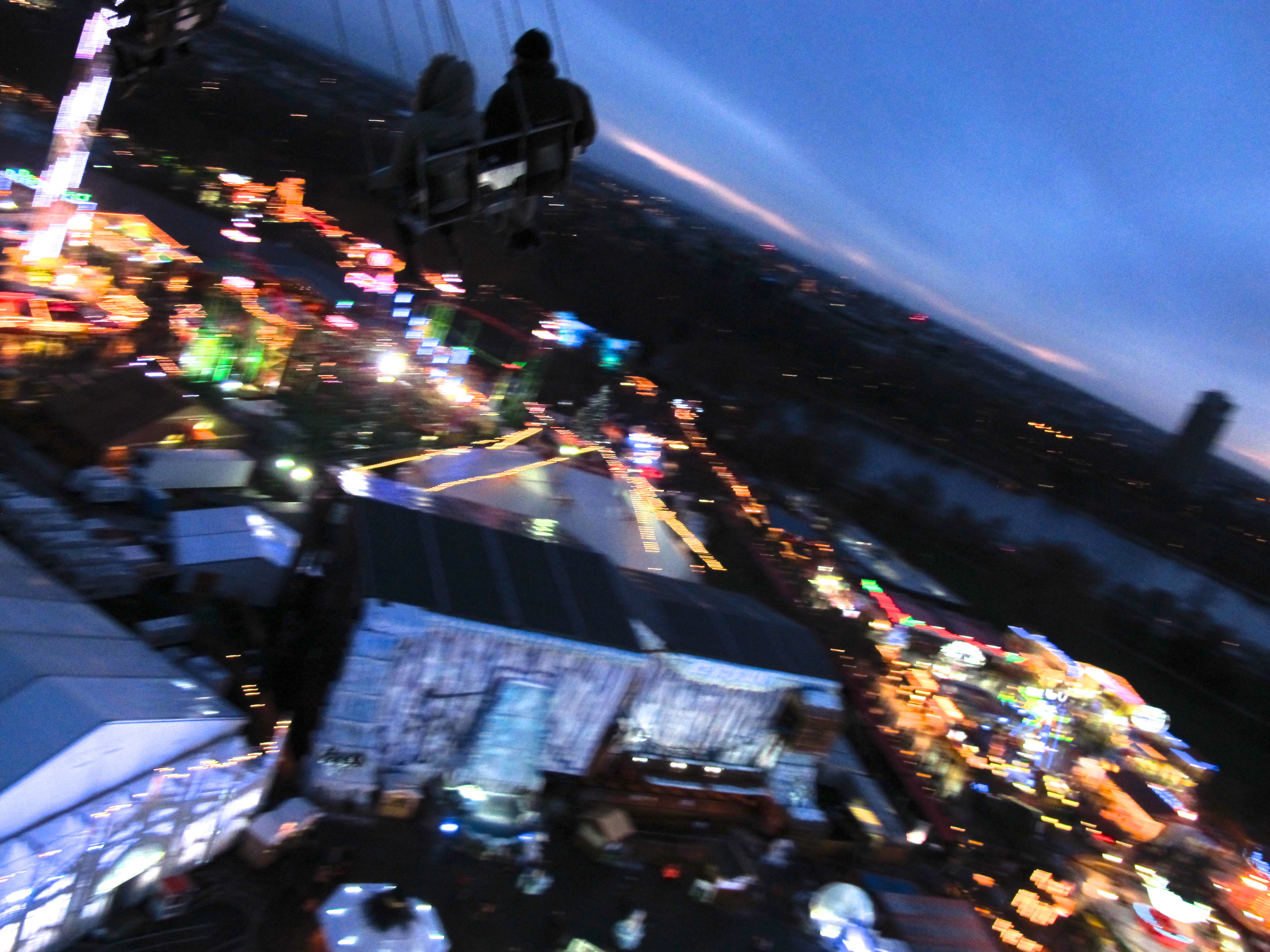
View From a Ride
View From a Ride
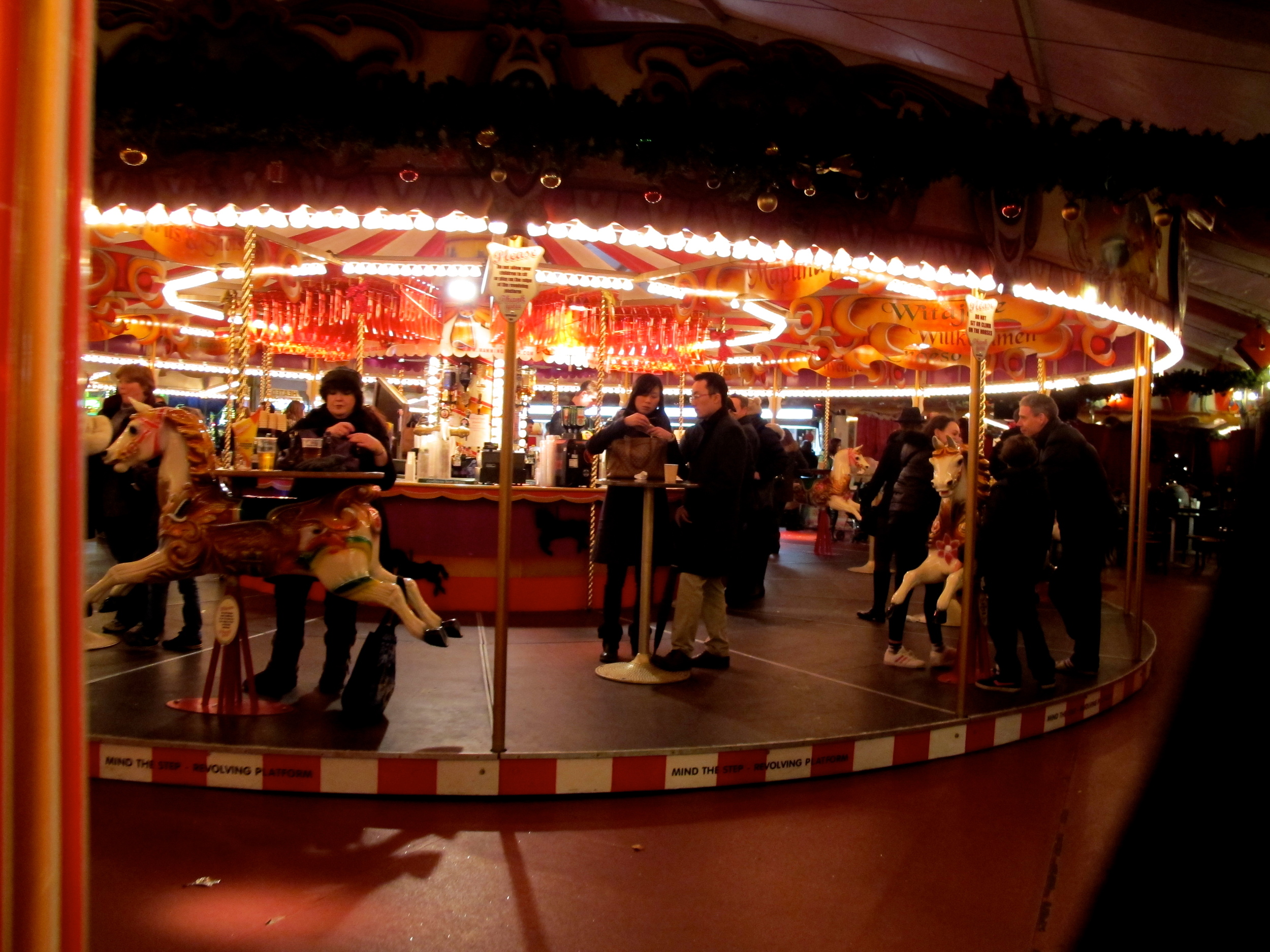
Carousel Bar, Winter Wonderland
IMG_5425.JPG
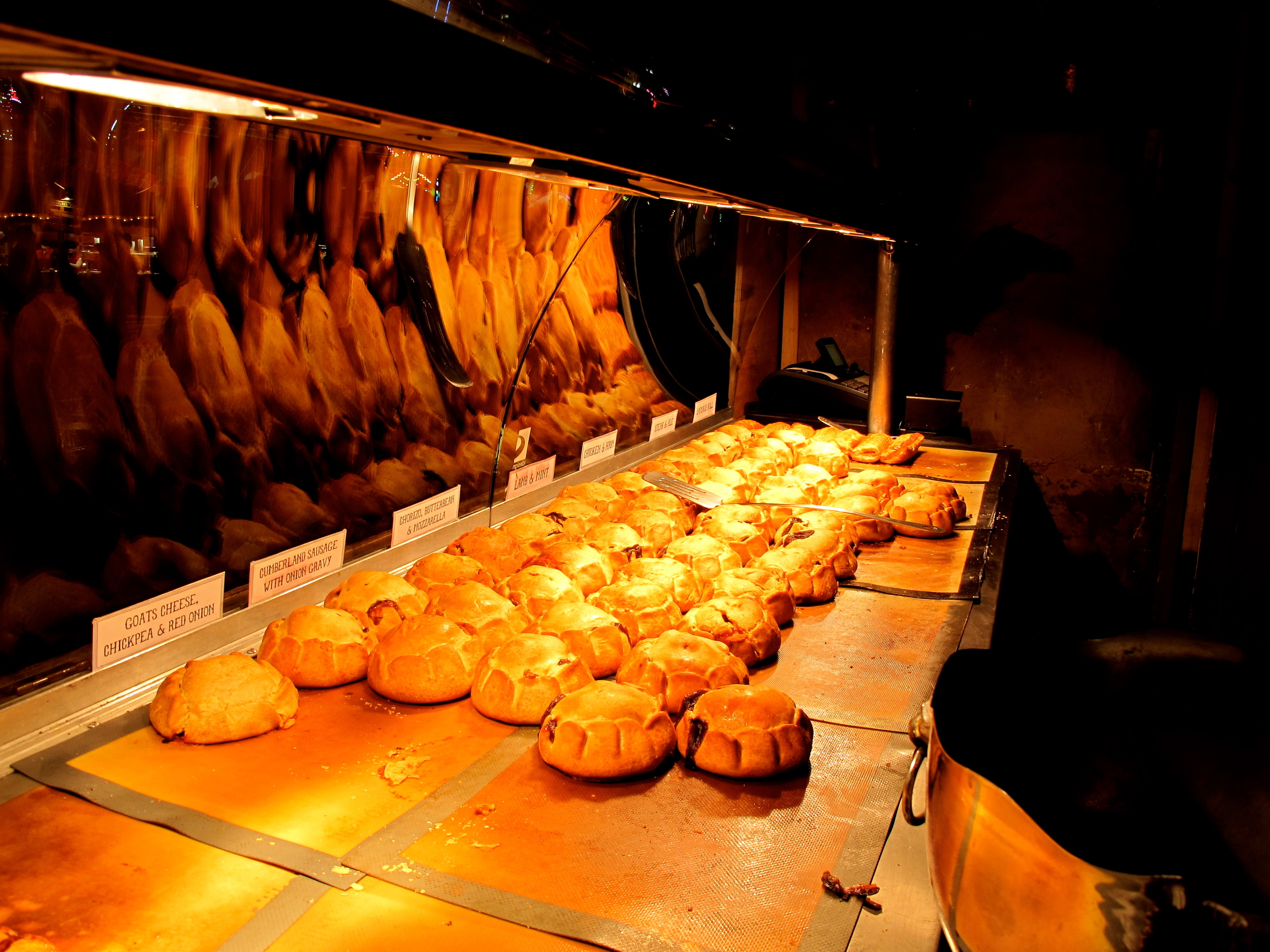
Meat Pies, Winter Wonderland
IMG_5446.JPG
IMG_5486.jpg
IMG_5804.jpg
IMG_5500.JPG
IMG_5508.JPG
IMG_5550.JPG
IMG_5368.JPG Buckingham Palace IMG_5082.JPG Aphrodite at the British Museum A History of Time, British Museum IMG_5213.JPG Bvlgari, British Museum St. Paul's Cathedral IMG_5239.JPG The Thames Fish at Borough Market Tower Bridge Menagerie at Tower of London London Eye Houses of Parliament Westminster Abbey Winter Wonderland at Hyde Park IMG_5455.JPG IMG_5403.JPG View From a Ride Carousel Bar, Winter Wonderland IMG_5425.JPG Meat Pies, Winter Wonderland IMG_5446.JPG IMG_5486.jpg IMG_5804.jpg IMG_5500.JPG IMG_5508.JPG IMG_5550.JPG

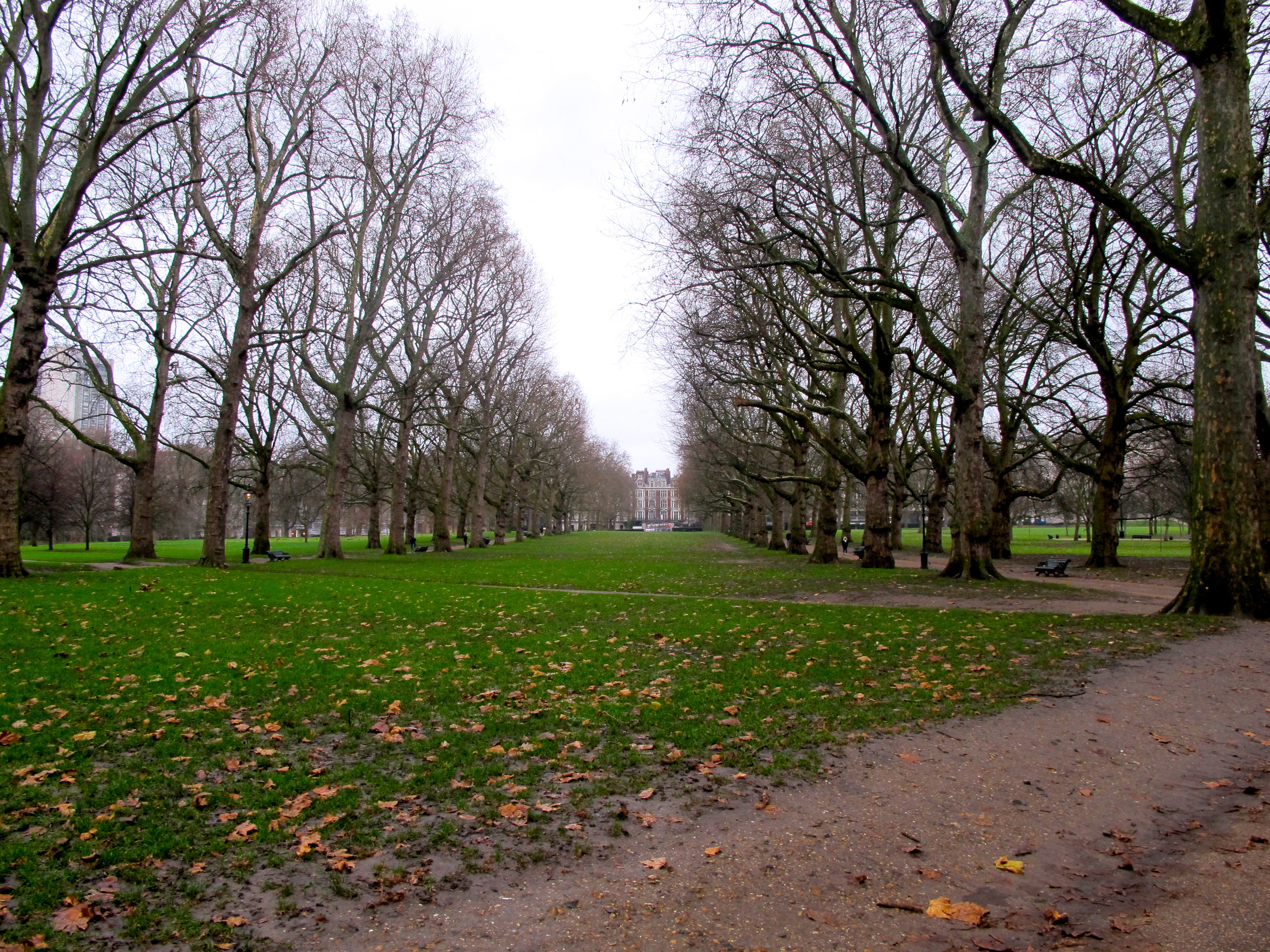
I spent my first Christmas away from home exploring a new city. Even as my brother and I have entered our twenties, our parents have stuck to the same Christmas traditions in adamant denial of our slow metamorphosis into "adults." For now, we are still "the kids" in our household, although we have swapped out Christmas light viewing for Cards Against Humanity and a couple bottles of wine. This was the first year I did not go to bed on Christmas Eve with a new book and pajamas from my mom, and wake up to the tree suddenly surrounded by a sea of festively-wrapped gifts set in place by my parents. This was the first year I didn't even have a tree. This was the first year I didn't bake Christmas cookies from our faded and stained 1960's Betty Crocker cookbook. And although I did miss my family, the multitude of new places and experiences in a new city made up for it a little bit.

So instead of one of those long, droning posts about what I did in London and how I felt about it that no one really cares about (besides my mom of course), I came up with a little guide for a short stay in London.

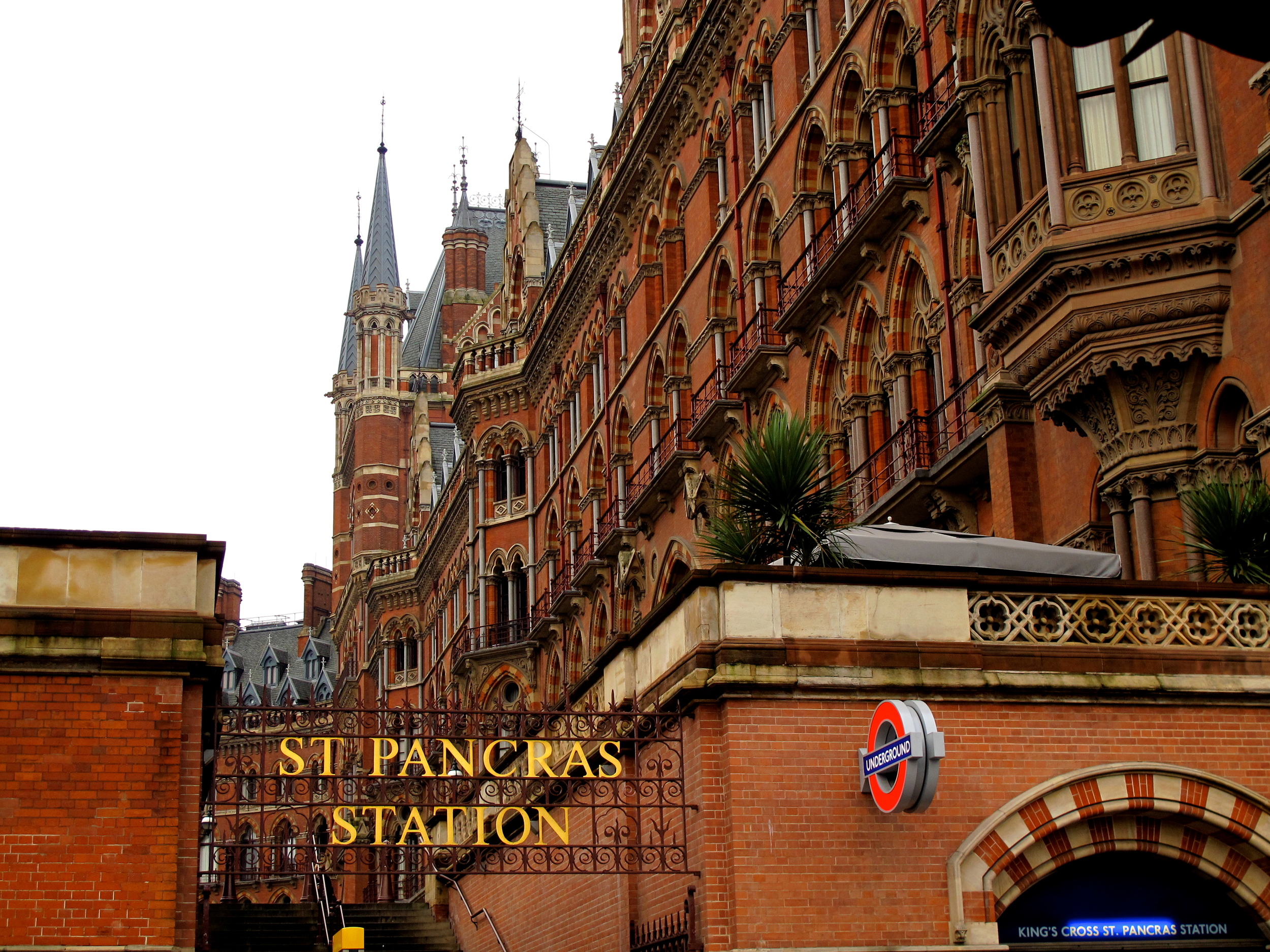
Where to stay: I had heard a lot of good things about the app/website Airbnb, but this trip was the first time I used it myself. We were able to book a private flat in a secure apartment complex that had a full kitchen, which was perfect for a Christmas stay since many restaurants are closed on the 25th. We stayed in Barbican Centre, 2 stops from Kings Cross/St. Pancras, a 10 minute walk to St. Paul's and a 15 minute walk to the Thames. By comparison, a decent hotel in the same area would have cost almost double and we would have been forced to buy all our meals rather than cooking. The ability to cook a Christmas roast and drink wine while watching a SmarTV was wonderful. This area was also pretty central without being too touristy, which we appreciated when it came to public transportation and eating out.

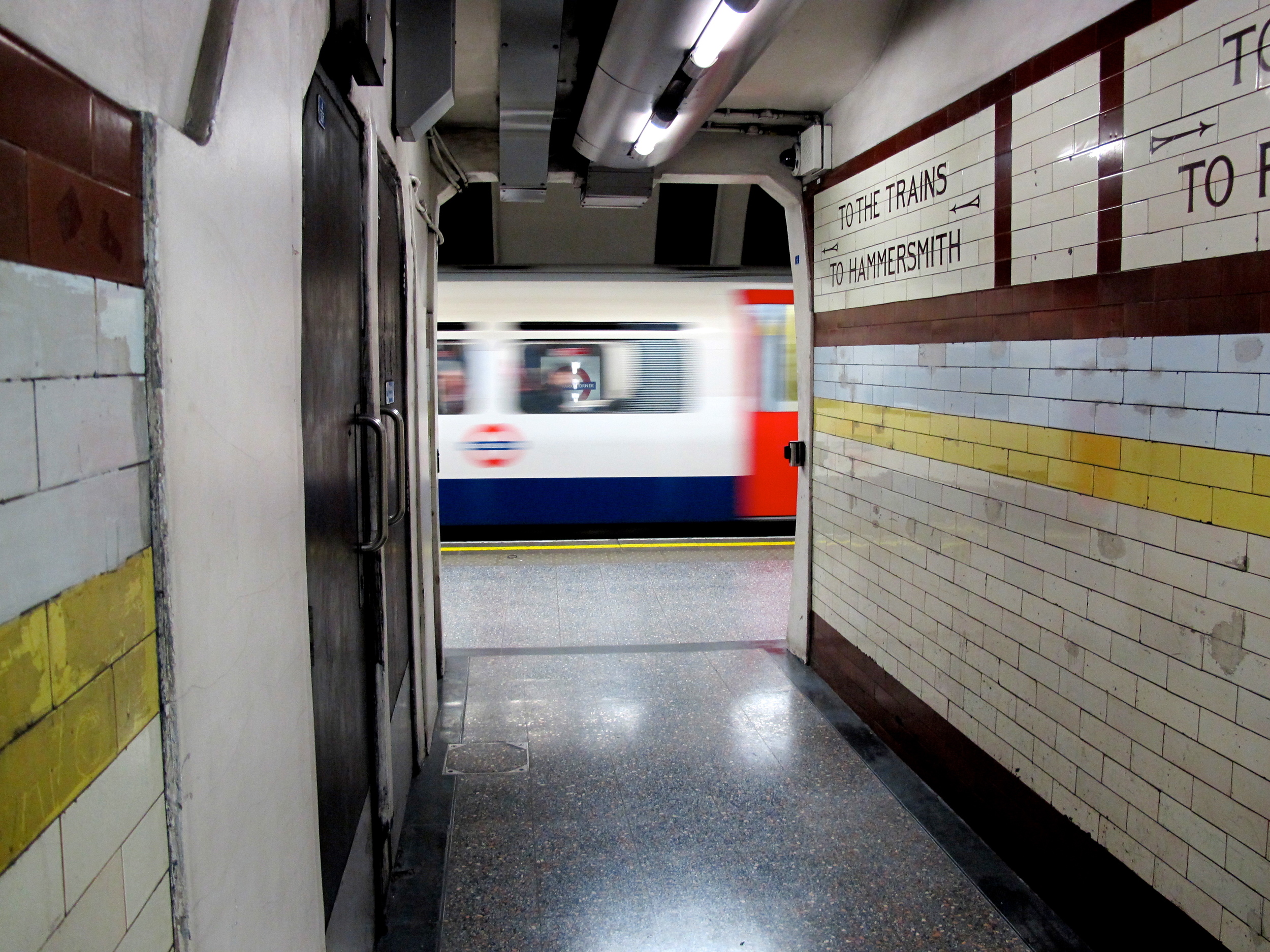
How to get around: Buying an all-day public transportation pass is absolutely crucial in London. It saves you a ton of money if you plan to be sightseeing and moving around all day, plus you have access to buses as well as the Underground. Buying a single journey ticket at peak time is £4.50 and the day pass is £8, so already with a journey that has a return you save one pound. That being said, there is absolutely no better way to see a city than by foot. We walked for a good amount of our sightseeing, and by doing this were able to discover little alleyways, ancient crumbling churches, interesting architecture, charming teashops and restaurants, and countless Christmas Markets. We used public transportation only when our destination was more than 30 minutes away walking or if we were pressed for time or daylight.

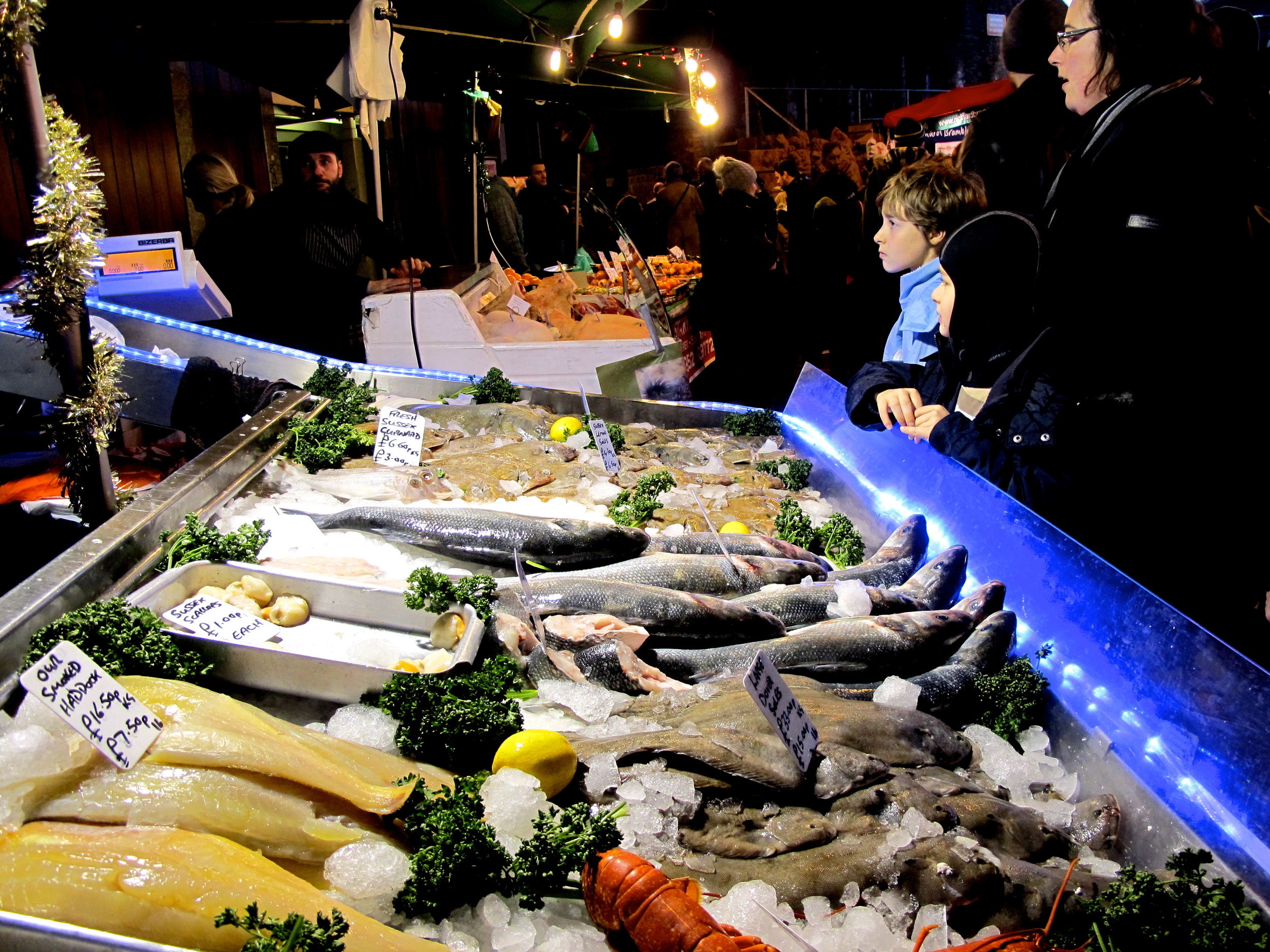
What to eat: One of my favorite ways to get to know a new city is through its cuisine. Knowing England has a rather dull reputation for food, I wanted to dispel that notion and enjoy some of it's traditional dishes and food customs. London is an extremely international city, so there really is the widest variety of foods available everywhere. It was actually an effort to find traditional English cuisine, but it can be done. One of the best ways to do this is to find a local market. We actually stumbled upon the Borough Market while we were walking along the South Bank, and it was probably one of my favorite parts of the trip. Lured by the smell of bratwurst, we wandered into an alleyway to find a barrage of tents and stands selling all kinds of foods: pulled pork sandwiches, freshly made Indian food, Chinese noodle bowls, cheese from the English countryside, smoked meats, a huge variety of sausages, different kinds of meat sandwiches - venison, lamb, pork, beef - tea, chocolates, pies and cakes, game patés, mushrooms, vegetables, butchers, fisheries, and trinkets. There were restaurants and local producers and farmers all selling their wares in a crowded underpass, a train thundering overhead every ten minutes. The smells and local flavors were just incredible. Find a market, and you will get the best sense of the local food culture in the city you're visiting. In addition to the market, some of the traditional English foods that must be tried are:

1. Fish & chips, of course. We ate at Fryer's Delight, which is one of the talked-about fish & chips spots, but we had also heard good things about Kennedy's and Master's Super Fish. Although if it smells good, you really can't go wrong.

2. Meat pies. We had a steak and ale meat pie at the Hyde Park Winter Wonderland Christmas Market from M. Manze, a London meat pie shop around since 1902. 

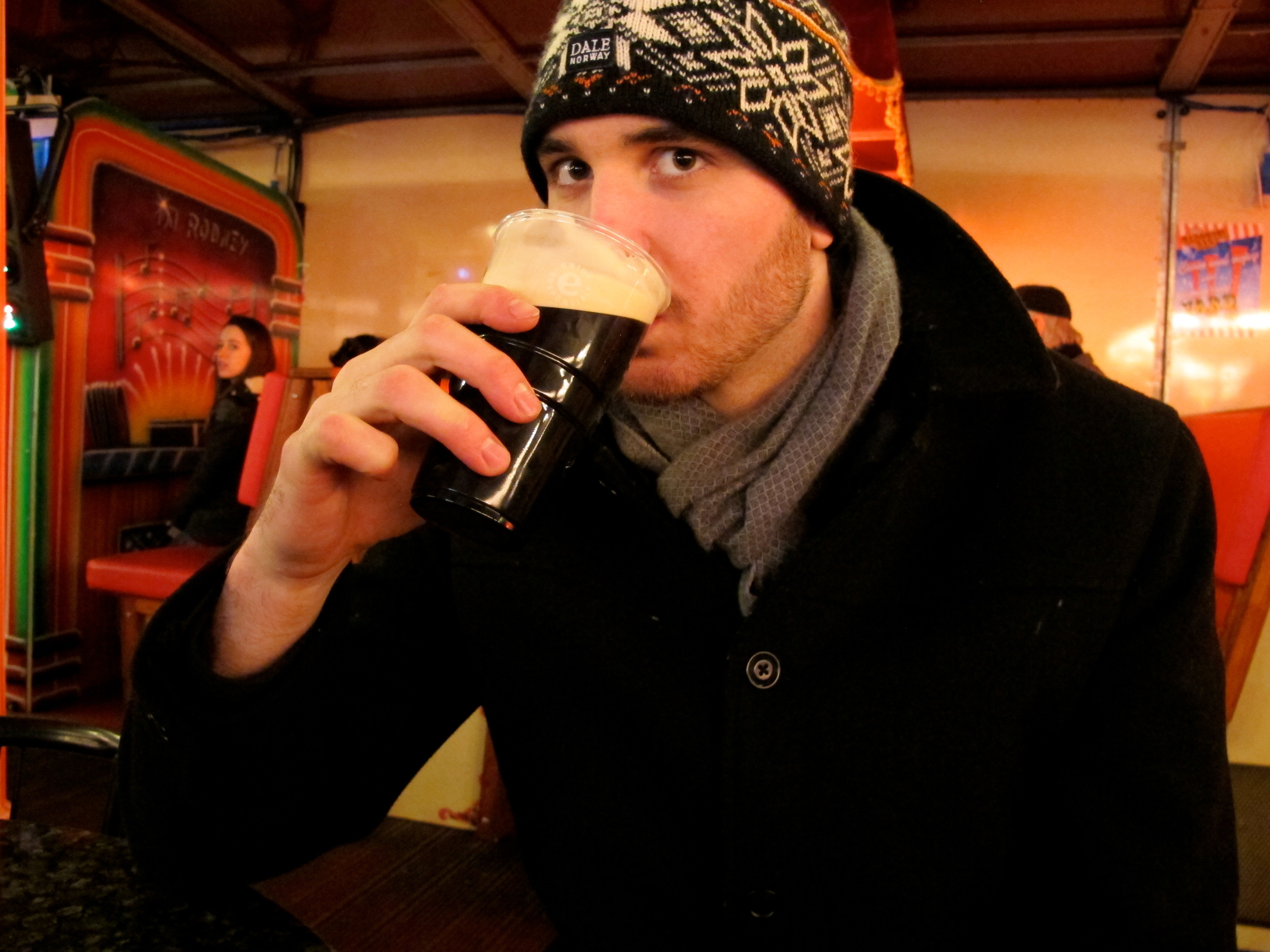
3. Pub food. We used Chowhound to research pubs in our area that had traditional food and a wide selection of ales. Try a few meat dishes for dinner and then start your day with a traditional English breakfast and a Guinness. And some pub know-how we figured out after a few awkward minutes - everything is handled at the bar. Here in Paris ordering at the bar implies you are going to stay standing at the bar, and thus is a lower price. Bringing your drinks to sit down is seen as dishonest, since you are trying to get the standing bar price and then proceeding to sit.

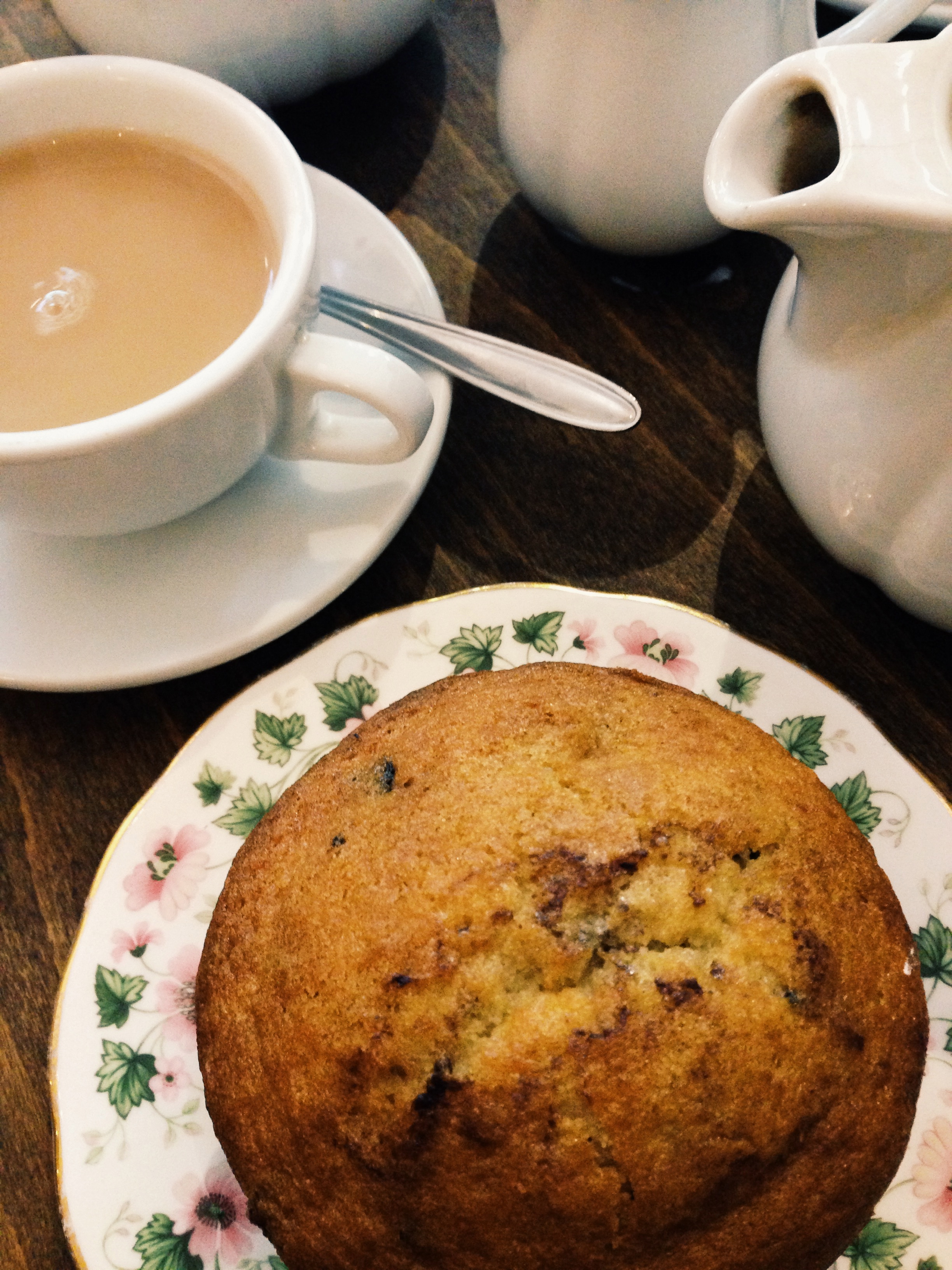
4. Tea and crumpets. English breakfast tea and Earl grey is really better in England. And of course teatime with crumpets and cakes is the perfect fuel in between lunch and dinner on a full day of sight-seeing.

5. Cadbury. True to the hype, this is hands down the best chocolate I've ever had. And it was actually pretty cheap too, compared to the price for decent chocolate in the States.

What to do: There really is so much to do in London that if you are only there for a few days, you have to pick and choose. Advice for the short-trip travelers: pick one museum to really spend time in. Pick one church to pay for entry (Westminster or St. Paul's). The London Eye takes about an hour and is quite expensive, so don't feel like you have to do this unless it is a high priority for you. Make an outline, but not a schedule. I have this compulsive tendency to want to plan out every hour of my days on trips, which only leads to stress when things don't work out as I want them to. This doesn't mean you shouldn't plan at all - although simply going out and exploring aimlessly can often lead to the best adventures. Pick a few things you want to do that day and then let the city guide you. If you see somewhere you want to stop, get off the bus. If you want to change your lunch plans because you want more time at a certain spot, do it. Eliminating a schedule allows you to enjoy moment by moment rather than always worrying about the time and what's coming up next. WALK. You will see so much more of the city walking! It always makes me feel a more intimate connection with a city I've traversed by foot. I love watching the streets and alleys connect and unravel before my eyes, and be able to fill in the blanks from point A to point B. It's like I have an outline of a city with all the monuments and things I want to do on it, and as I walk from place to place I can color in the details to make a more complete picture of it.

My favorites:

- St. Paul's cathedral

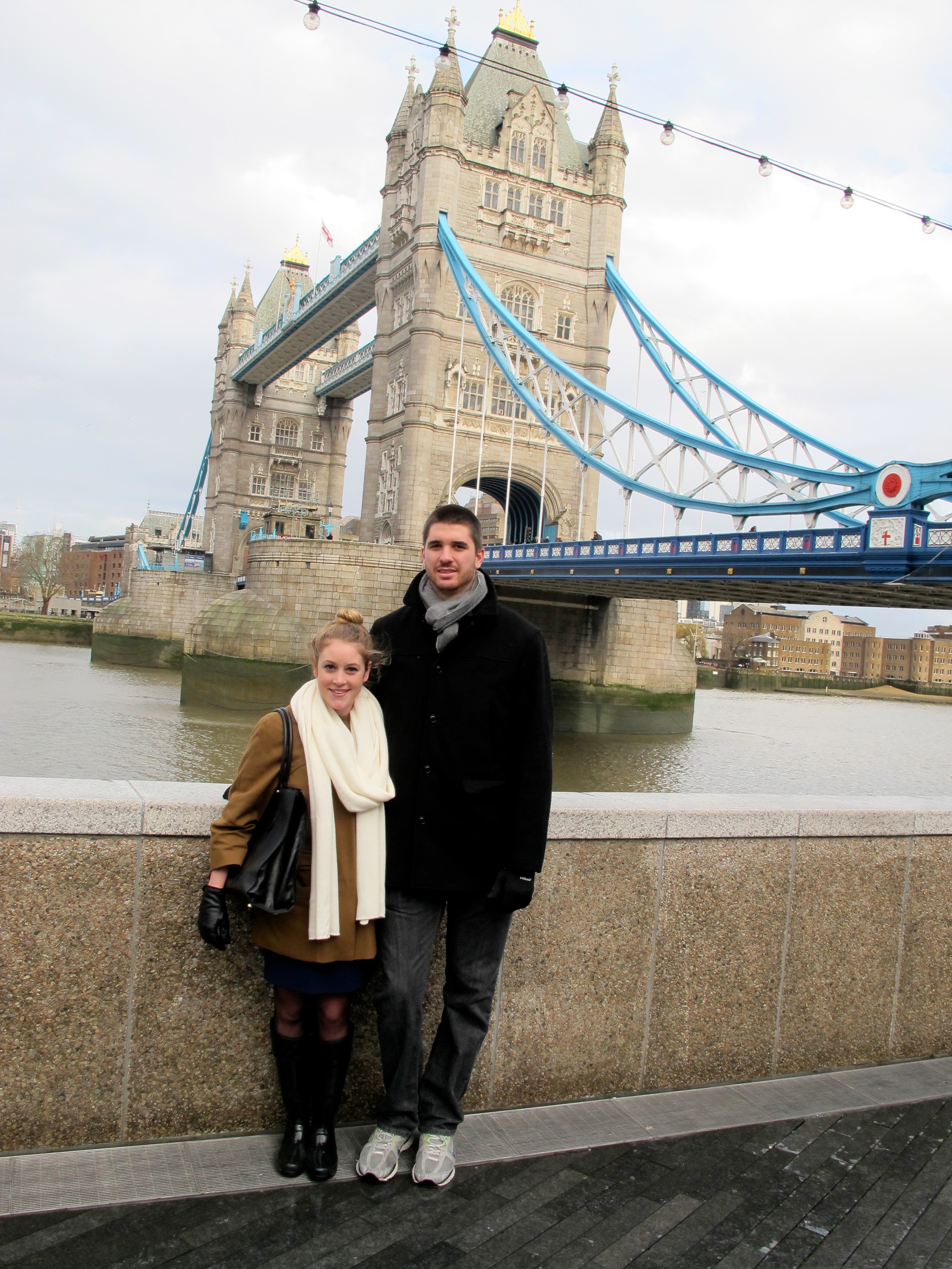
- Walking along the Thames on the South Bank from the Millenium Bridge to Tower Bridge. This leads you through the Borough Market (weekdays only), past the Shakespeare Globe Theater, and a bunch of old ships, all while looking at the towering architecture downtown.

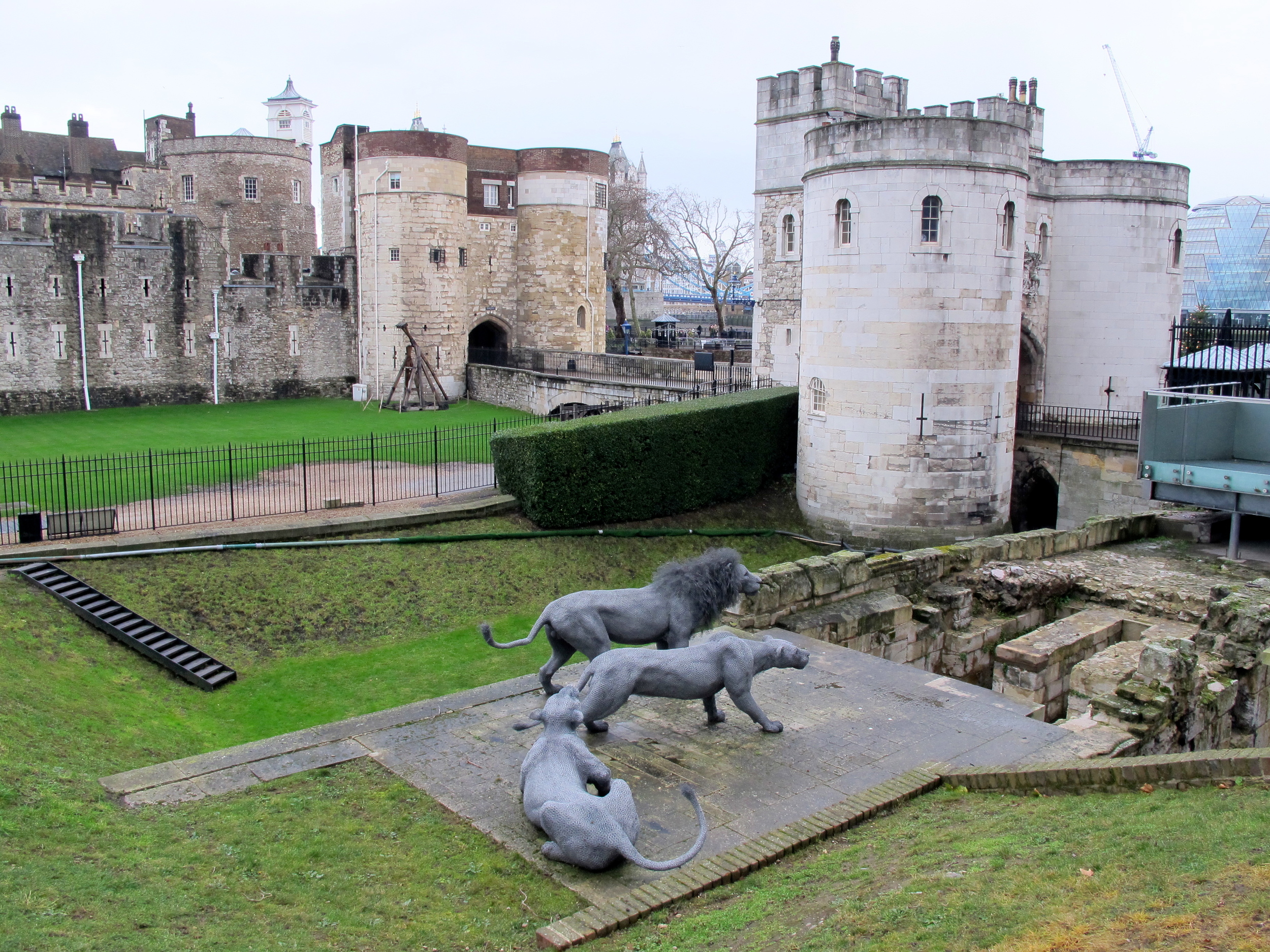
- Tower of London. We weren't able to go inside because of the holiday, and it's probably the first thing I will do the next time I visit London. I actually think it's a bit underrated, because all the things we read about London had this fairly low on the list of attractions. But a castle built in 1066 that used to house crazy King Henry the XIII and the Boleyn family, as well as a menagerie of lions? Who wouldn't want to see that?

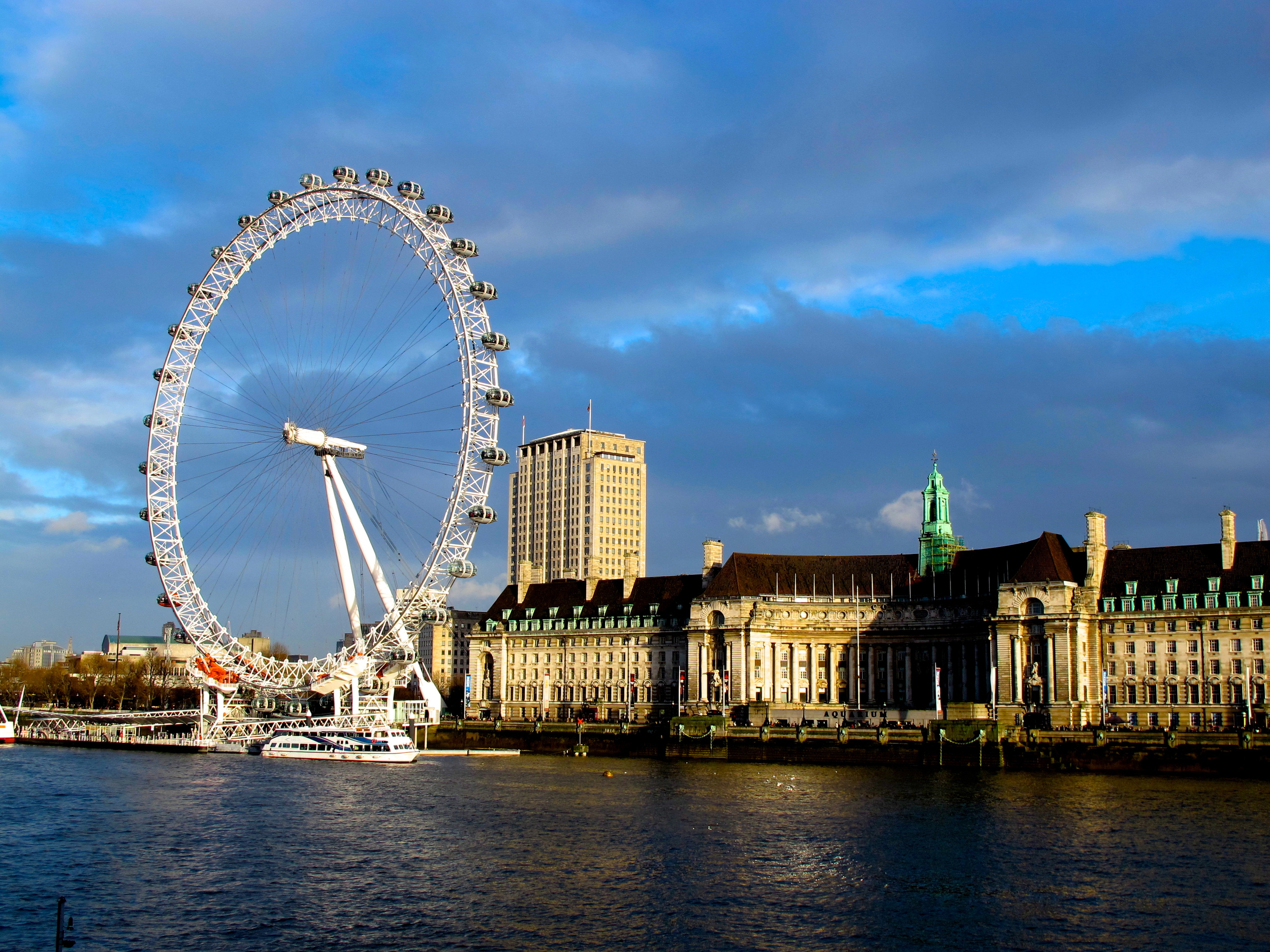
- The London Eye from across the Thames

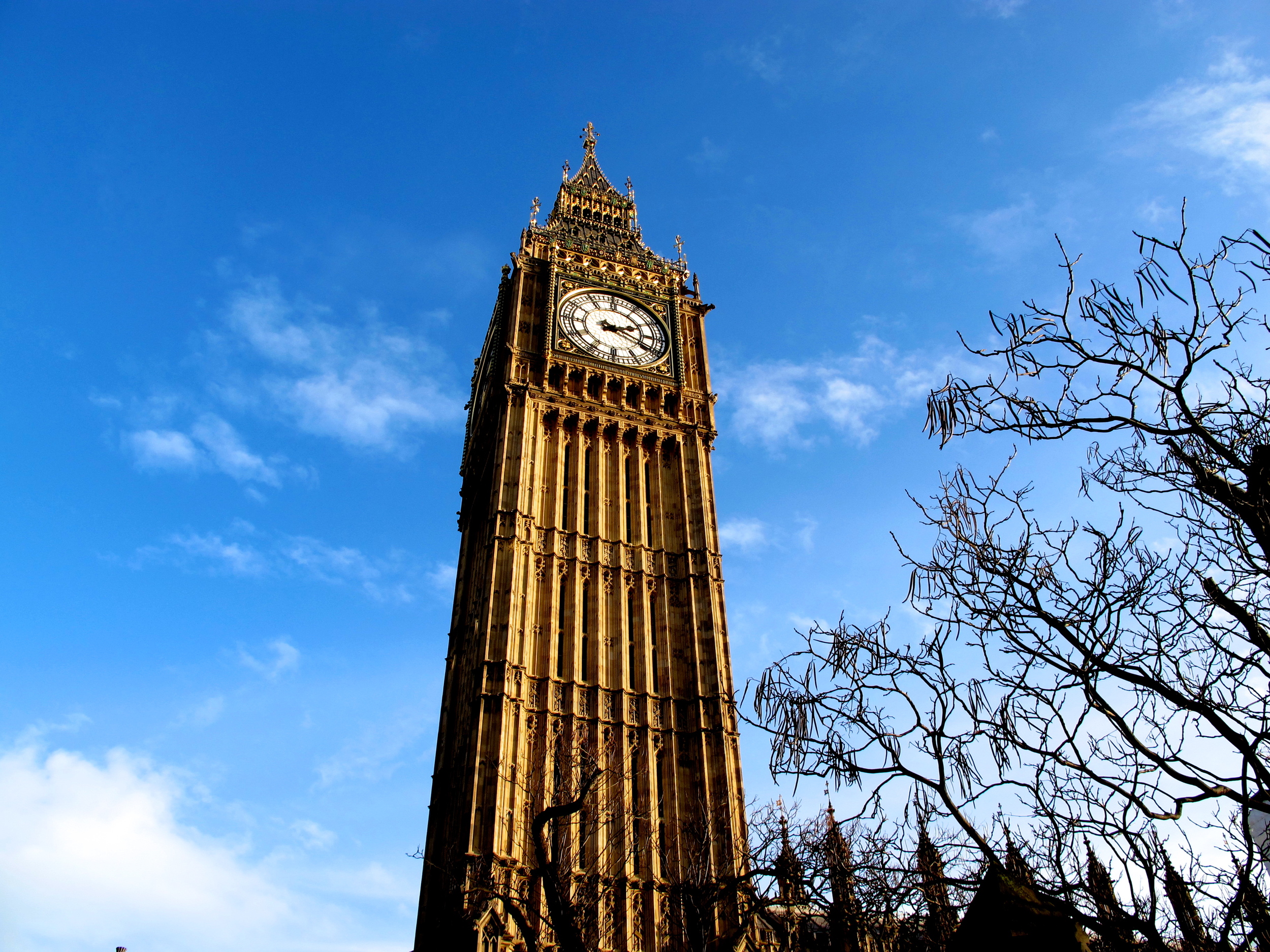
- Big Ben, the Houses of Parliament, and Westminster Abbey

- Buckingham Palace. Although I would say the changing of the guards didn't excite me too much, it happens every other day in the winter at 11am, and every day in the summer.

- Trafalgar Square. It was decorated with its huge Christmas tree, an annual gift from Oslo.

- Hyde Park. Specifically, if you visit in the winter, Hyde Park Winter Wonderland is potentially the best amusement park I've ever been to. It was a combination Christmas Market, restaurant/bar area, and theme park. The rides were detailed, impressive, and well-done. It was just an overload of light and laughter and food and drinks and fun. We got a birds' eye view of London in the ride with the swings that spin high above the ground, although that one was a bit terrifying due to the wind and the thin chains holding us up.

- Watch a football game in a pub. It's really an experience. Everyone cheers and sings, a far cry from French bars where football games require grave silence and concentration. And there are different loyalties for different pubs, so make sure you do some research before going to an Arsenal pub wearing a Chelsea jersey. I used Chowhound and good old Google as well as local recommendations for this.

All in all, London is a wonderful city with an incredible wealth of food, architecture, monuments, museums, and things to do. It was the perfect way to spend Christmas away from home.

In Travel, Food Tags London, Christmas, Christmas market, holidays, travel, england, britain, train, big ben, hyde park, hyde park winter wonderland, winter, meat pie, pub, pub food, ale, guinness, fish and chips
1 Comment

ragoût d'agneau

November 20, 2013 Stephanie Christofferson

Exceptional food is just another one of the many reasons Paris is so adored, and this comes not just from a culture centered around cooking and eating, but from a cultural emphasis on quality of ingredients. Markets pop up every day of the week in every neighborhood, everything (even the processed breakfast cereal) proudly proclaims "fabriquée en France," they have some of the strictest regulations on chemical and antibiotic use in produce and meat, and they sell primarily seasonal ingredients. Even the biggest supermarket chains are stocked regularly with what many Americans would consider "exotic" ingredients: foie gras, chicken liver, pig's feet, duck breast, whole rabbit, squab, cow tongue, venison. And of course, lamb. After a day of braving the wind and rain in Paris, this stew warmed me from the inside out. The lamb literally melted off the bone, the broth was perfectly salty and satisfying, and the vegetables burst with flavor. Living cheap as a student on the outskirts of Paris, this was even better - the whole pot cost less than €10, and took less than 20 minutes of actual work in the kitchen.

Lamb Stew

{serves 4}

ingredients

3 tablespoons butter

2 large carrots, cubed

1 large onion, chopped

1 large zucchini, cubed

4 sprigs fresh thyme & 2 bay leaves, bundled

4 cloves garlic, roughly chopped

4 small-medium lamb chops

1 tablespoon flour

3-4 cups beef stock (depending on how much broth you want)

freshly ground black pepper

method

In a large pot, sautée onions, zucchini, carrots, and garlic in butter over medium heat until soft. Add flour and mix well. Add stock, lamb, herb bundle, and pepper. Bring to a boil, then set to simmer on low for at least 2 hours. Before serving, shred the meat off the bones (should melt off easily). 

In Food Tags food, dinner, foodie, stew, soup, lamb, lamb stew, meat stew, cold weather dishes, slow cooking, slow food, paris, cuisine, cuisiner
2 Comments
← Newer Posts

590 Tahoe Keys Blvd, South Lake Tahoe, CA 96150